Medical-grade facial in Encino for cleaner, brighter, healthier-looking skin with customized cleansing, exfoliation, hydration, extractions when appropriate, and barrier-supportive aftercare.
A medical-grade facial at NPMD is a customized professional skin treatment designed to leave the complexion cleaner, brighter, smoother, and healthier-looking while respecting the skin barrier. The plan may include deep cleansing, gentle exfoliation, hydration support, calming care, extractions when appropriate, and treatment sequencing based on what your skin actually needs.
Here, “medical-grade” means consultation-led skin planning, professional product selection, and realistic guidance about when a facial is enough and when another treatment category would be smarter.
Best for: Cleaner skin, brighter tone, hydration, congestion, healthy glow
Typical visit: 45-75 min
Category: Treatments / Med Spa Treatments
What a Medical-Grade Facial Can Help Improve
Medical-grade facials are best for skin-quality maintenance and visible refresh. They can support cleaner pores, smoother surface texture, better hydration, brighter tone, and a healthier-looking glow without the downtime of stronger resurfacing treatments.
Dull, tired-looking skin that needs a professional reset
Congestion, visible buildup, clogged-looking pores, and oil imbalance
Dryness, rough texture, and uneven product absorption
Event preparation when the goal is glow without aggressive downtime
Maintenance between peels, microneedling, lasers, or acne-focused care
How This Differs From Other Facial Treatments
The broader Facials page covers general professional facial treatments. A medical-grade facial is positioned more specifically around clinic-guided skin assessment, product selection, and next-step planning for patients who want a more intentional maintenance facial.
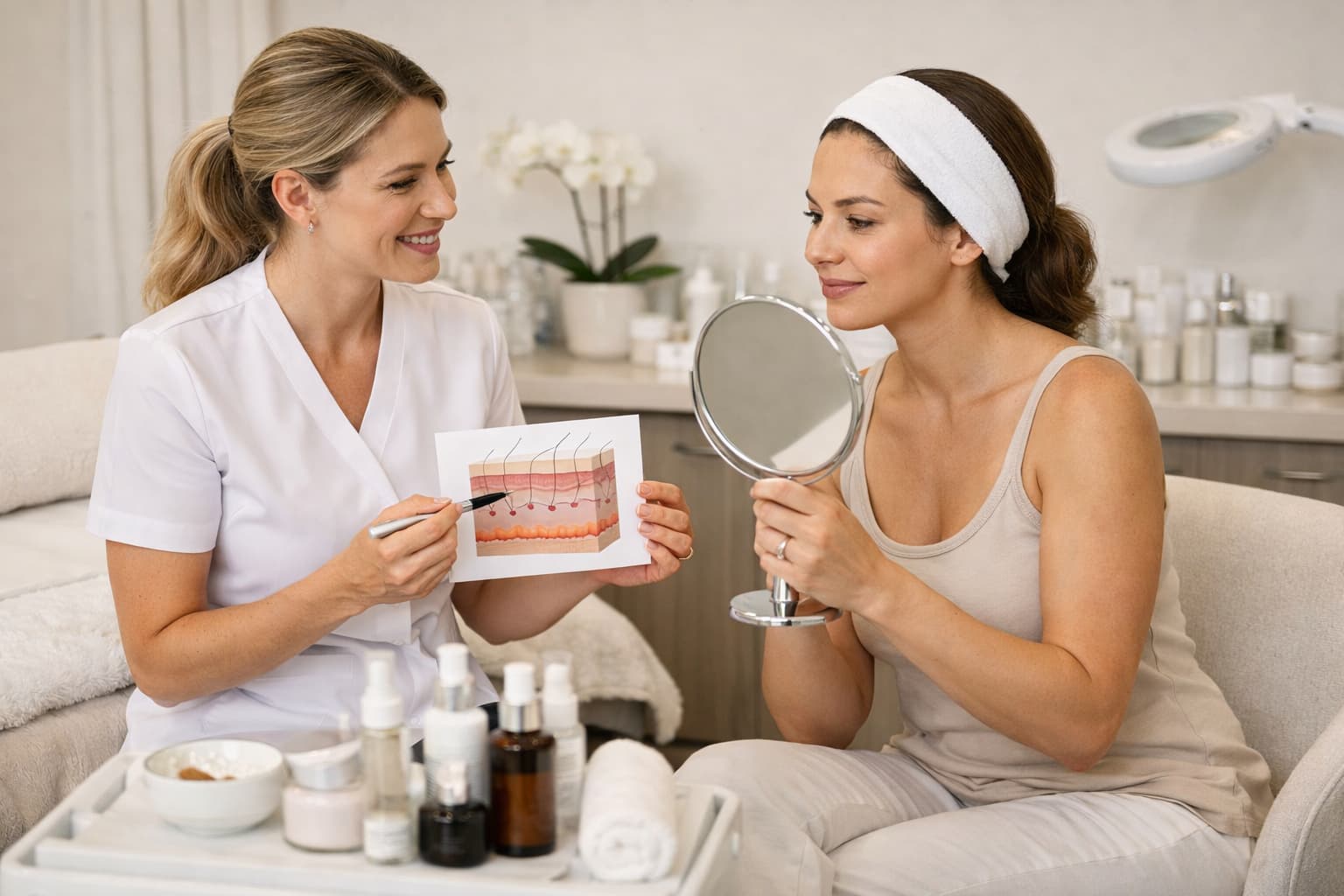
The consultation helps decide how gentle or corrective the facial should be. This matters because over-exfoliating, aggressive extractions, or stacking too many active products can irritate the barrier and work against the glow patients are trying to create.
Skin type, sensitivity, dryness, oiliness, congestion, and breakout tendency
Current retinoids, acids, exfoliants, acne prescriptions, and recent procedures
Allergy concerns, fragrance sensitivity, rosacea tendency, eczema, or psoriasis history
Upcoming events, sun exposure, makeup needs, and desired recovery window
Whether the best next step is a facial, peel, Hydrafacial, microneedling, or medical acne plan
What Treatment Usually Looks Like
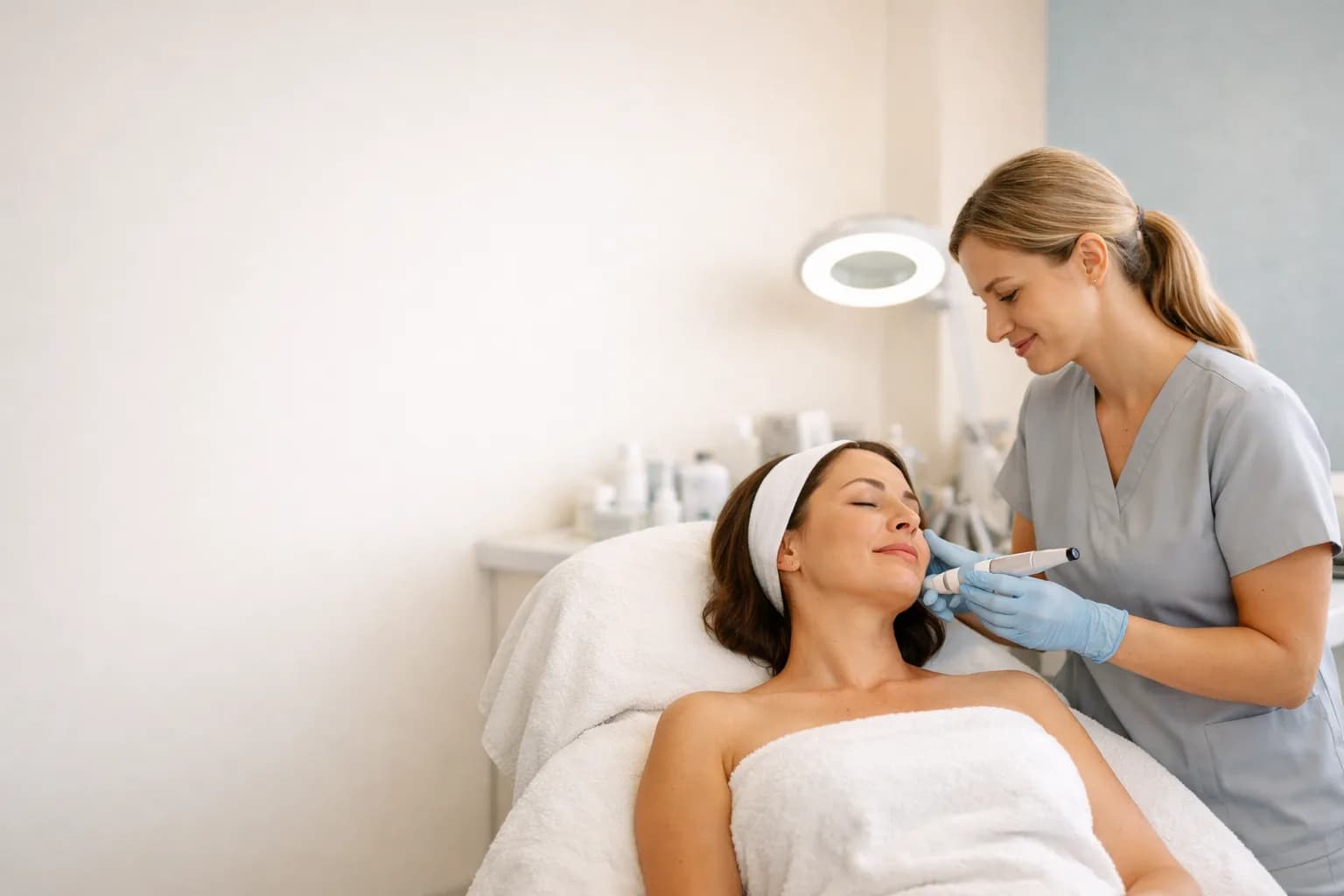
Treatment typically starts with cleansing and skin assessment. Depending on the plan, the visit may include exfoliation, steam or softening steps, careful extractions, hydrating or calming masks, targeted serums, barrier support, and post-treatment product guidance.
The goal is not to scrub the skin into looking “done.” The better endpoint is skin that looks clean, calm, hydrated, and refreshed. If the skin is reactive, inflamed, over-exfoliated, or actively flaring, we may simplify the facial or recommend stabilizing the barrier before adding stronger steps.
Discuss goals and expectations
Ask the clinic how the available options, candidacy, risks, limitations, and recovery may apply to your individual goals. No particular treatment result is guaranteed.
Recovery and Aftercare
Most medical-grade facials have little downtime, but the skin may look pink, feel sensitive, or feel temporarily tight after cleansing, exfoliation, or extractions. Some patients experience mild dryness or a short breakout/purging phase depending on skin congestion and the protocol used.
Aftercare usually focuses on gentle cleansing, hydration, barrier support, avoiding unnecessary picking or scrubbing, and using sun protection. If stronger exfoliation is used, we explain when retinoids, acids, exfoliating products, makeup, heat, and exercise can safely resume.
Results and Maintenance Planning
A medical-grade facial can create a refreshed look quickly, but the best results usually come from matching the facial to a realistic maintenance rhythm and home routine. For some patients, that means monthly maintenance. For others, it means a facial between more corrective treatments or before events.
Illustrative treatment visual showing facial application and skin planning rather than a real patient outcome.
Book a Medical-Grade Facial Consultation
If you want cleaner, brighter, healthier-looking skin with a facial plan built around your actual skin behavior, a consultation can help choose the right protocol and maintenance rhythm.
Share
Articles for Medical-Grade Facial
Practical reading selected for this service so patients can understand timing, options, and what to expect before booking.
BeautyNPMD Clinical Team
Medical-Grade Facial vs Chemical Peel: Which Fits Your Skin Barrier Right Now?
A facial and a chemical peel can both improve skin quality, but they are not interchangeable. The right choice depends on irritation, pigment, acne, texture, and whether your skin barrier is ready for exfoliation.
IV Hydration: Dehydration Signs, Safety Screening, and Red Flags
IV fluid may be appropriate in selected settings, but thirst or fatigue alone does not prove that an infusion is needed. Learn how oral fluids, medical causes, kidney and heart risks, and emergency symptoms guide safer hydration care.
Hydrafacial vs Aquafirme: Which Facial Fits Hydration, Congestion, or Glow?
Hydrafacial and Aquafirme are hydration-forward facial options, but the right protocol depends on congestion, sensitivity, active products, event timing, and whether the concern needs medical treatment instead.
Clear answers to the most common questions before and after your appointment.
Good candidates usually want cleaner, brighter, healthier-looking skin with a professional plan for congestion, dullness, dryness, rough texture, or maintenance. Consultation is important if you have active infection, open skin, severe acne flares, eczema or psoriasis flares, recent sunburn, recent procedures, allergy concerns, or very reactive skin.
At NPMD, medical-grade means the facial is selected around skin behavior, sensitivity, current products, and treatment goals rather than a one-size-fits-all menu. It may include professional cleansing, gentle exfoliation, hydration support, extractions when appropriate, calming steps, and recommendations for home care or next-step treatments.
A medical-grade facial can help the skin look cleaner, smoother, brighter, less congested, and more hydrated. It is best for maintenance and skin quality support. Deeper acne scarring, stubborn discoloration, laxity, or significant texture concerns may need treatments such as chemical peels, microneedling, RF microneedling, or laser resurfacing.
Most patients have little downtime, but temporary redness, sensitivity, dryness, tightness, purging, or mild irritation can happen depending on the skin and the protocol. If extractions or stronger exfoliation are used, the skin may need a short calming window and careful sun protection.
Frequency depends on congestion, dryness, sensitivity, acne tendency, treatment goals, and your home routine. Some patients use facials as monthly maintenance, while others schedule them around events or between more corrective treatments. NPMD helps set a realistic rhythm instead of over-treating the skin.
Read NPMD reviews
Explore patient experiences on our Google and Yelp profiles.