Typical procedure time
1.5–3 hrs
Breast augmentation works best when the conversation moves past cup-size shorthand and into proportion, profile, tissue behavior, and the level of change you actually want to see in and out of clothing.
Patients often arrive with a general volume goal, but the real planning work is deciding what will look balanced on the chest, how subtle or visible the change should feel, and whether lift needs to be part of the same plan.
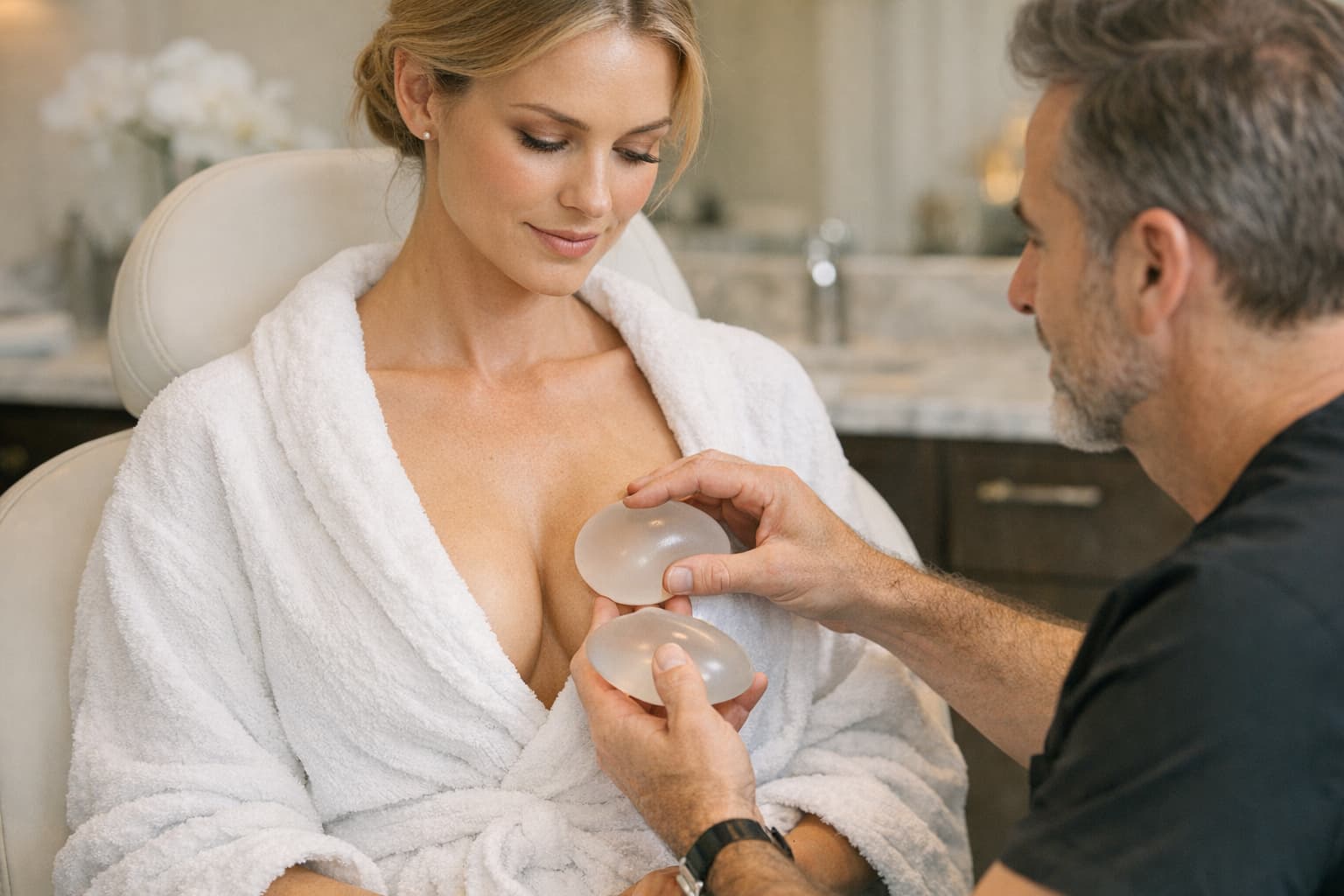
Ask about candidacy, recovery, and how any related procedures might affect planning before you make a decision.
A quick orientation to procedure timing, downtime planning, and the way this conversation usually fits into broader surgical decision-making.
Breast augmentation is usually explored when the patient wants more upper-pole fullness, more balanced volume, or a fuller chest outline that still looks proportional.
Breast augmentation planning is less about chasing a number and more about choosing a shape and projection that still feels proportionate to your shoulders, chest width, and overall frame.
If the real concern includes descent, stretched skin, or nipple position, the more accurate comparison may be with Breast Lift rather than augmentation alone. Some post-pregnancy patients also compare the plan with Mommy Makeover.
To prepare for the visit, we recommend these five consultation questions and our practical guide to recovery planning.
The strongest candidates usually know the kind of change they want to see and are open to discussing what size, profile, and support will actually look best on their frame.
The right plan usually comes from matching the procedure to your anatomy, tolerance for downtime, and the kind of change you are actually trying to make.
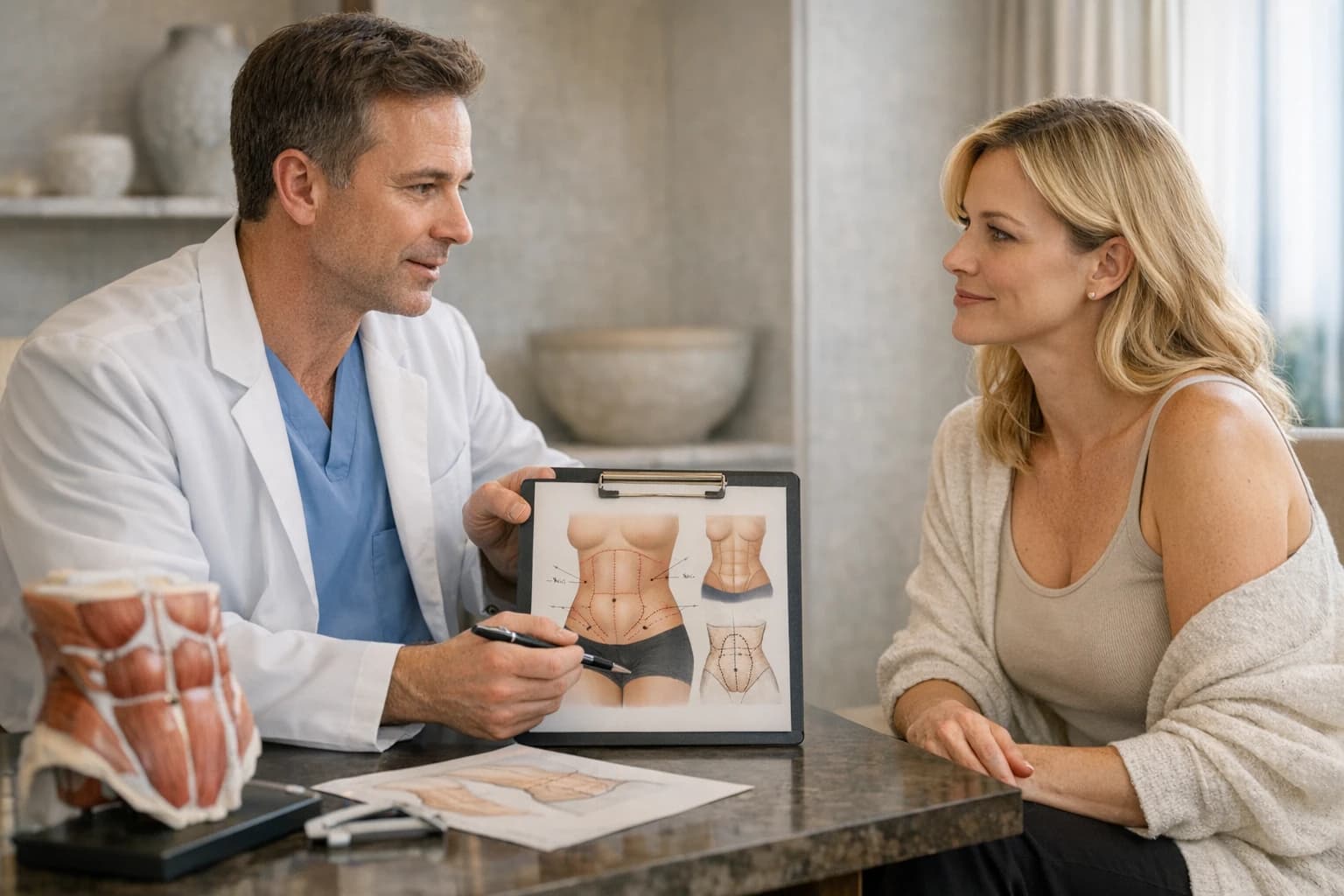
The visit should cover implant or volume strategy, incision planning, symmetry, profile, and whether the goal is better served by augmentation alone or with lift.
Review what kind of volume change feels right on your body
Compare size, projection, and chest-width fit
Clarify symmetry goals and scar placement considerations
Discuss recovery, support garments, and the feel of early healing
Breast augmentation planning is strongest when the volume strategy, tissue support, and the final shape goal are discussed together rather than as separate decisions.
The plan starts with what kind of fuller result should still feel natural on your frame.
Projection, size, and fullness goals are refined in relation to chest width and tissue support.
Scar location, soft-tissue behavior, and expected healing are discussed before any date is chosen.
Garments, activity pacing, and follow-up expectations are organized early so the decision stays practical.
Even when the procedure name is the same, incision strategy, staging, and combination-procedure decisions should be tailored to your proportions and the kind of result you want to live with long term.
Most patients need to plan around swelling, chest tightness, sleeping position, and a gradual return to workouts while the shape settles.
The early phase usually centers on garment use, chest pressure, and rest with light movement.
Many patients feel more normal, but the chest is still settling and exercise remains limited.
Return to fuller activity becomes more realistic once swelling and tenderness continue to calm down.
The chest looks more integrated and the final balance is easier to judge.
Patients comparing breast augmentation usually need to understand where lift, post-pregnancy planning, or staging enters the picture.
Patients usually feel best about augmentation planning when it sounds proportion-aware, symmetry-conscious, and focused on long-term fit rather than a sales-driven size promise.
That means candidacy, downtime, staging, and the reasons for choosing surgery should all feel clear enough that you are not relying on marketing language to make a medical decision.
The plan is built around your frame, not generic cup-size language or pressure toward a larger result than you asked for.
If the real issue is shape support rather than volume alone, that is discussed directly.
Support garments, activity pacing, and long-term expectations are part of the initial conversation.
The best augmentation outcomes usually come from aligning shape, support, and proportion rather than treating size as the only decision that matters.
A proportional plan tends to age better visually and feel more natural in everyday clothing.
Swelling and tissue adjustment can make the first weeks look different from the settled result.
The consultation should define how much symmetry can realistically change and where natural differences may still remain.
Consultation, anatomy, and recovery perspectives for breast augmentation.

Illustrative implant size and profile discussion

Illustrative person resting in a support bra
These answers are meant to make the first conversation sharper and more useful, not replace a personal consultation.
If the main goal is more volume, augmentation may be the better fit. If descent, stretched skin, or nipple position are the bigger issue, lift may need to be part of the plan. Many consultations are really about sorting out that difference.
No. The stronger conversation is about proportion, projection, tissue characteristics, symmetry, and how the final result should read on your frame rather than size numbers alone.
Support garments, swelling, chest tightness, sleep position, and a gradual return to workouts are usually the most important recovery themes to plan around.
The goal is clarity: what this procedure can improve, what recovery really asks of you, and whether it should stand alone or be part of a broader plan.