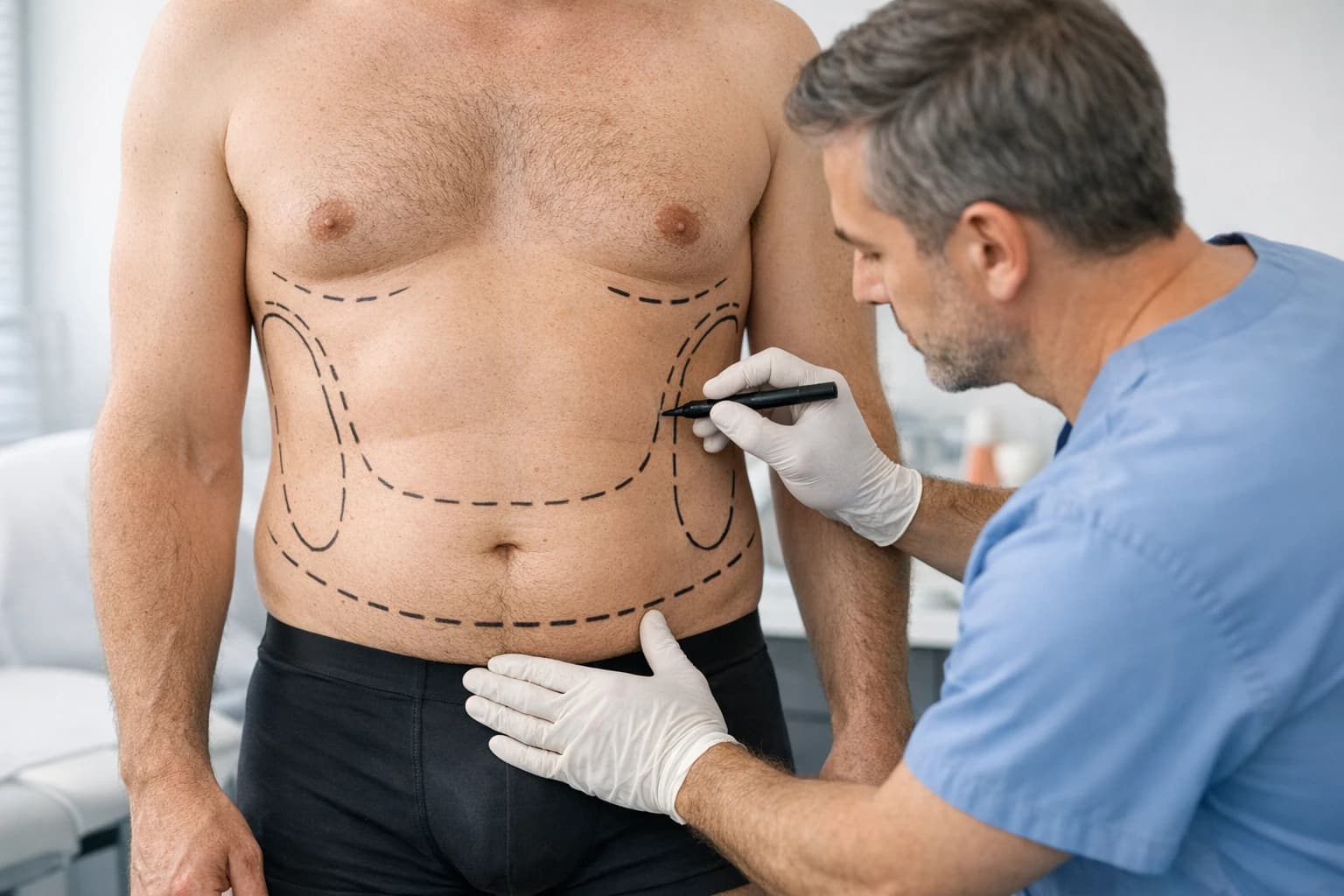
Typical procedure time
2–4 hrs
Rhinoplasty is one of the most individualized facial procedures because small changes affect profile, front view, and function at the same time. The goal is usually refinement and balance, not a nose that stops looking like yours.
The consultation should define what truly needs to change, what should stay recognizable, and whether breathing or prior trauma changes the surgical planning conversation.

Ask about candidacy, recovery, and how any related procedures might affect planning before you make a decision.
A quick orientation to procedure timing, downtime planning, and the way this conversation usually fits into broader surgical decision-making.
Rhinoplasty is usually explored when the patient wants a more balanced profile, more refined nasal shape, or clarity about how cosmetic and breathing concerns intersect.
Rhinoplasty is often more about balance than size reduction. The strongest plans protect facial identity while refining bridge shape, tip structure, or profile harmony in a way that still feels natural.
If breathing concerns, prior trauma, or asymmetry are part of the story, the plan should account for those issues alongside cosmetic goals. Patients also sometimes compare the way rhinoplasty changes harmony with broader facial planning such as Facelift or eye-area refinement through Eyelid Surgery.
To think more clearly about facial harmony and realistic cosmetic planning, read our facial balancing article and these five consultation questions.
The strongest candidates usually know what bothers them, but are also open to hearing how much change is enough and what should remain recognizable.
The right plan usually comes from matching the procedure to your anatomy, tolerance for downtime, and the kind of change you are actually trying to make.
This consultation should sort out aesthetic priorities, breathing concerns, profile goals, and how to preserve facial identity while making the nose feel more balanced.
Review the angles and features that bother you most
Clarify whether breathing or structural history affects the plan
Talk through what should change and what should remain recognizable
Plan swelling expectations, work timing, and the slower healing arc of nasal surgery
Rhinoplasty planning is strongest when structure, balance, and restraint are discussed together instead of treating the nose like an isolated feature.
The nose is evaluated in relation to the forehead, chin, lips, and eye area, not as a standalone feature.
Shape goals are refined around bridge, tip, symmetry, and any functional issues that matter.
The plan defines what level of change is enough to feel better without creating a disconnected look.
Swelling, patience, and the long refinement curve are discussed before the procedure is scheduled.
Even when the procedure name is the same, incision strategy, staging, and combination-procedure decisions should be tailored to your proportions and the kind of result you want to live with long term.
Rhinoplasty recovery is often less about pain than about swelling, patience, and letting the final shape refine gradually over time.
The early phase usually centers on rest, support, and protecting the nose while swelling is most active.
Many patients are back to routine, but the nose is still early in the healing curve.
The shape feels more settled even though meaningful refinement is still ahead.
The final balance becomes clearer gradually rather than all at once.
Rhinoplasty is often part of a broader harmony conversation, especially when the goal is refinement rather than dramatic change.
Patients usually feel best about rhinoplasty planning when the conversation is precise, identity-aware, and honest about how slowly the result settles.
That means candidacy, downtime, staging, and the reasons for choosing surgery should all feel clear enough that you are not relying on marketing language to make a medical decision.
The nose is planned in relation to the rest of the face so the result still looks like it belongs to you.
If breathing or prior injury is part of the story, the plan should reflect that from the start.
We make it clear that rhinoplasty is a slower refinement journey than many patients expect.
The best rhinoplasty outcomes usually come from clarity about what should change, what should stay familiar, and how much patience healing requires.
Most patients look best when the nose feels more balanced without becoming a disconnected new feature.
The nose rarely reveals its full refinement in the first weeks, which is why timeline expectations matter.
A strong plan looks balanced from multiple angles instead of over-optimizing one view only.
Consultation, anatomy, and recovery perspectives for rhinoplasty.
Abstract care-planning illustration for a rhinoplasty consultation; no patient result shown

Illustrative person resting with a nasal dressing
These answers are meant to make the first conversation sharper and more useful, not replace a personal consultation.
Many consultations involve both. The right visit should clarify which concerns are cosmetic, which are functional, and how those two goals interact instead of treating them like separate conversations.
The strongest plans usually aim for a nose that fits the face more naturally rather than one that looks unrelated to your features. That is why restraint and facial harmony matter so much.
Because nasal tissues refine slowly. Many patients are back to daily life relatively early, but the final definition continues developing long after the first visible healing phase.
The goal is clarity: what this procedure can improve, what recovery really asks of you, and whether it should stand alone or be part of a broader plan.