PRP Microneedling vs Standard Microneedling: Does PRP Add Value?
Standard microneedling creates controlled skin injury, while PRP adds an autologous blood product to the plan. Compare evidence, FDA status, recovery, cost, and candidacy.
Read article
CO2 laser acne scar treatment in Encino for pitted acne scars, rolling texture, rough scar edges, enlarged-looking pores, and uneven post-acne skin texture with realistic resurfacing expectations.
CO2 laser acne scar treatment in Encino for pitted acne scars, rolling texture, rough scar edges, enlarged-looking pores, and uneven post-acne skin texture with realistic resurfacing expectations.
Start here if you want the clearest use case, Encino location, consultation focus, and timing notes before booking CO2 Laser Acne Scar Treatment at NPMD.
Explore more: Treatments services, Device-Based Treatments, Doctors, Reviews, FAQs, and Book an appointment.
CO2 laser acne scar treatment is a resurfacing plan for patients whose main concern is uneven post-acne texture, shallow pitting, rolling texture, boxcar-type edges, enlarged-looking pores, and rough light reflection across scarred skin. At NPMD, this service is placed under Treatments because it is a device-based procedure with candidacy screening, recovery planning, and aftercare requirements.
The goal is scar refinement, not perfection. CO2 can help selected acne-scar texture by creating controlled resurfacing and collagen stimulation, but it does not erase every scar, and deeper or tethered scars may need a staged combination plan.
CO2 resurfacing is usually considered when scars create visible skin-surface irregularity. It can be useful when the concern is texture rather than active acne alone, especially when scar edges catch light or the skin looks uneven in side lighting.
Not every acne scar behaves the same way. Very deep ice-pick scars, tethered depressions, active inflamed acne, raised scars, and pigment-heavy post-acne marks may need a different sequence. Sometimes the best first step is acne control, pigment planning, microneedling, RF microneedling, subcision-style evaluation, peels, or a staged laser plan.
During consultation, we may compare this service with broader fractional CO2 laser resurfacing, CO2 laser full face treatment, Scarlet SRF, microneedling, or the broader acne scars concern page.
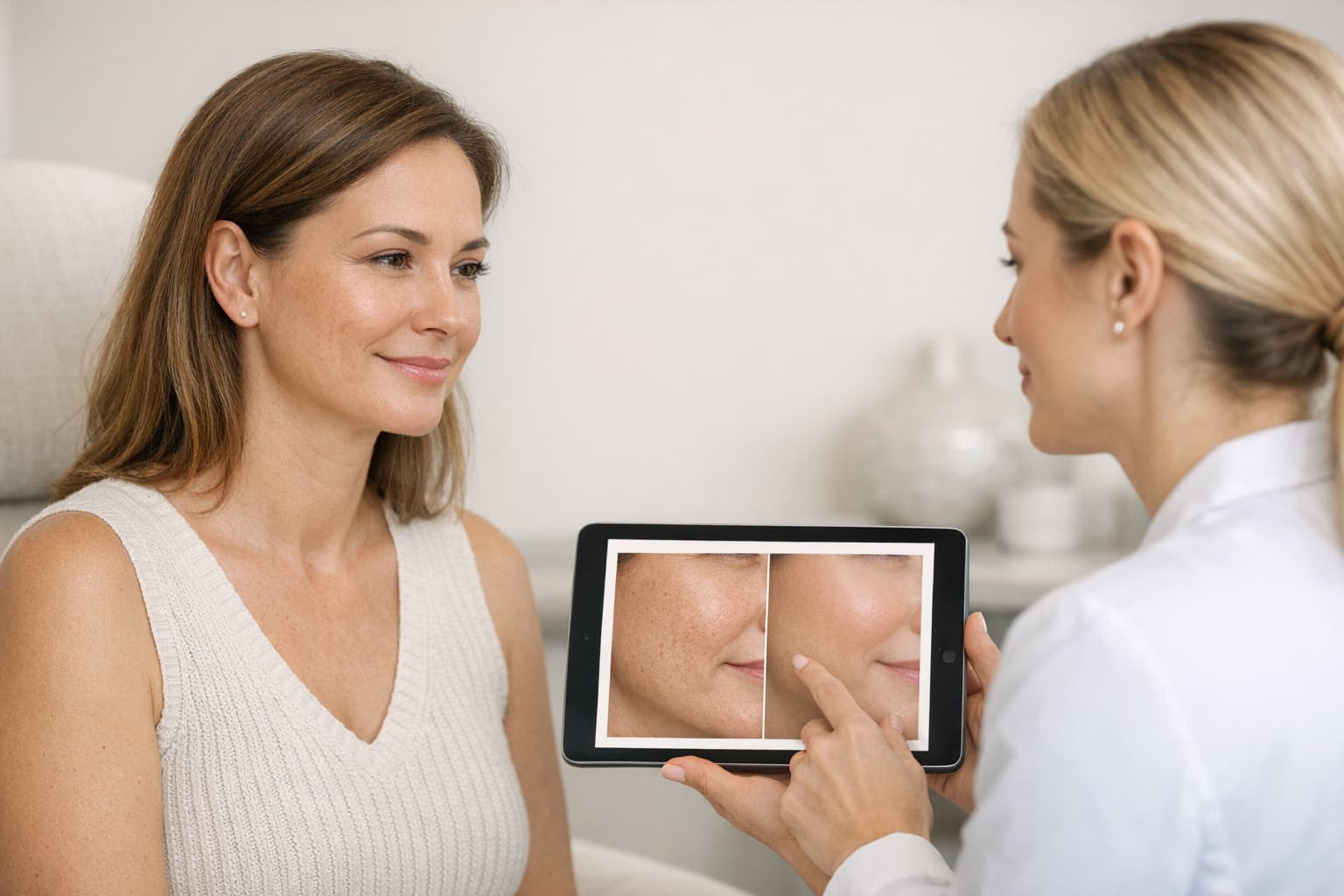
The consultation identifies scar type, scar depth, active acne status, pigment risk, downtime tolerance, and whether CO2 should lead the plan or be staged after other treatment. This matters because acne scars often improve best when the treatment sequence matches the actual scar pattern.
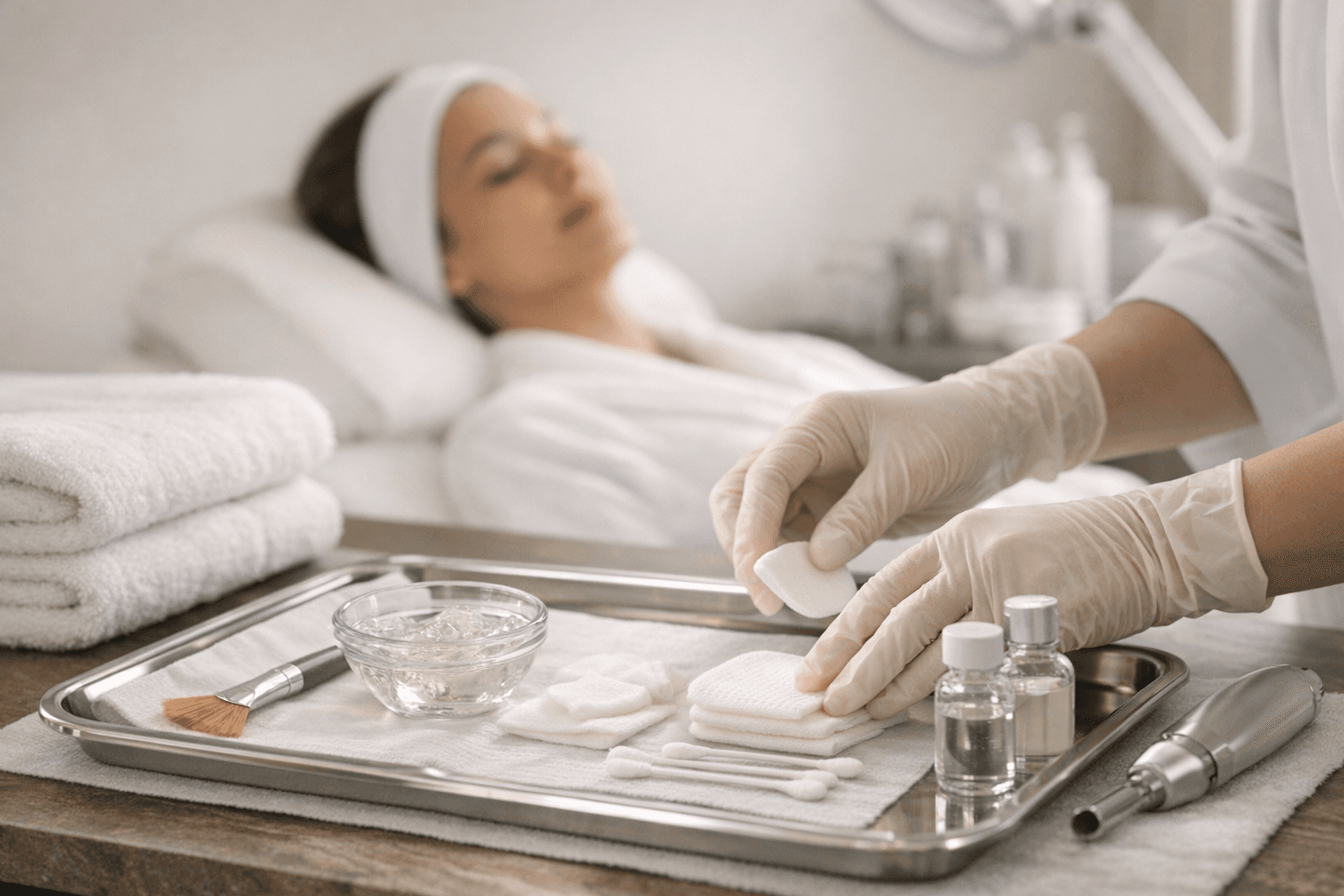
On treatment day, the skin is cleansed and prepared according to the plan reviewed during consultation. Comfort support may be used depending on treatment depth and area. The settings and treatment pattern are selected around scar type, skin response, pigment risk, and the amount of downtime that is appropriate.
After treatment, the skin may feel hot, swollen, tight, dry, or sensitive. Redness, peeling, pinpoint crusting, rough texture, and pinkness are possible. Because acne-prone skin can flare during healing, aftercare and product restrictions matter.
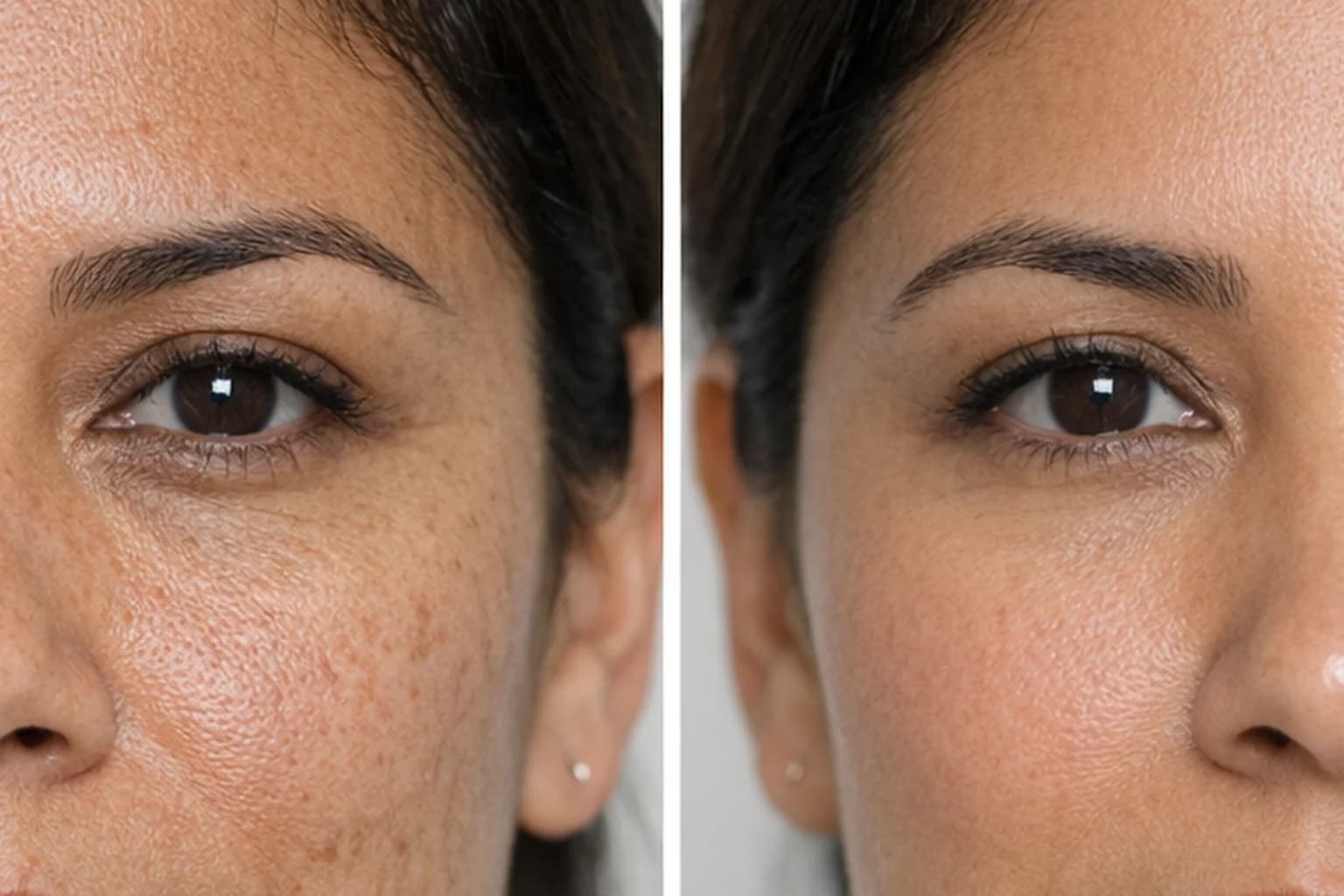
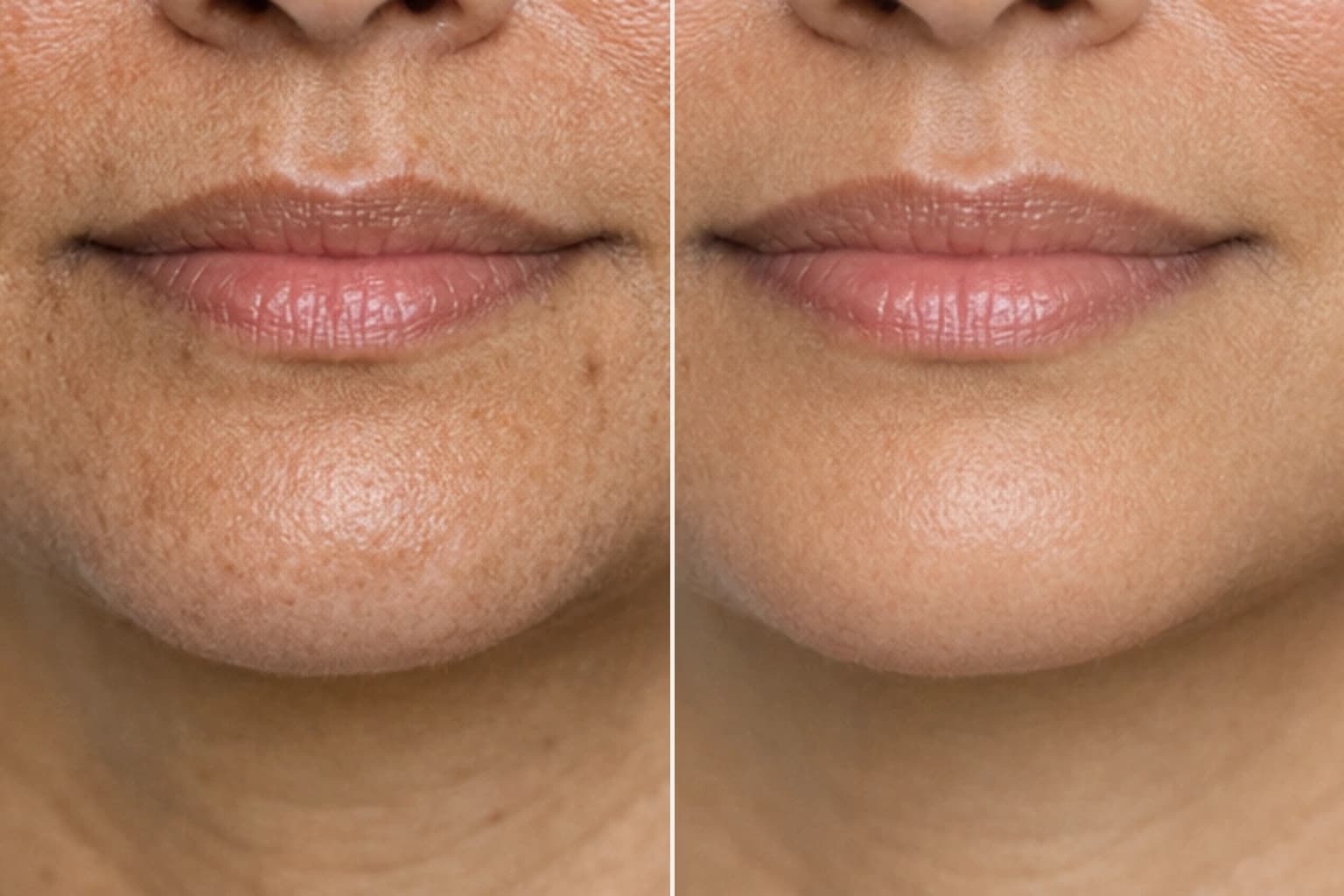
The images below are synthetic educational visuals, not NPMD patient results. They intentionally show acne-scar improvement without over-perfecting the skin, because realistic scar remodeling usually means softening and refinement rather than complete erasure.
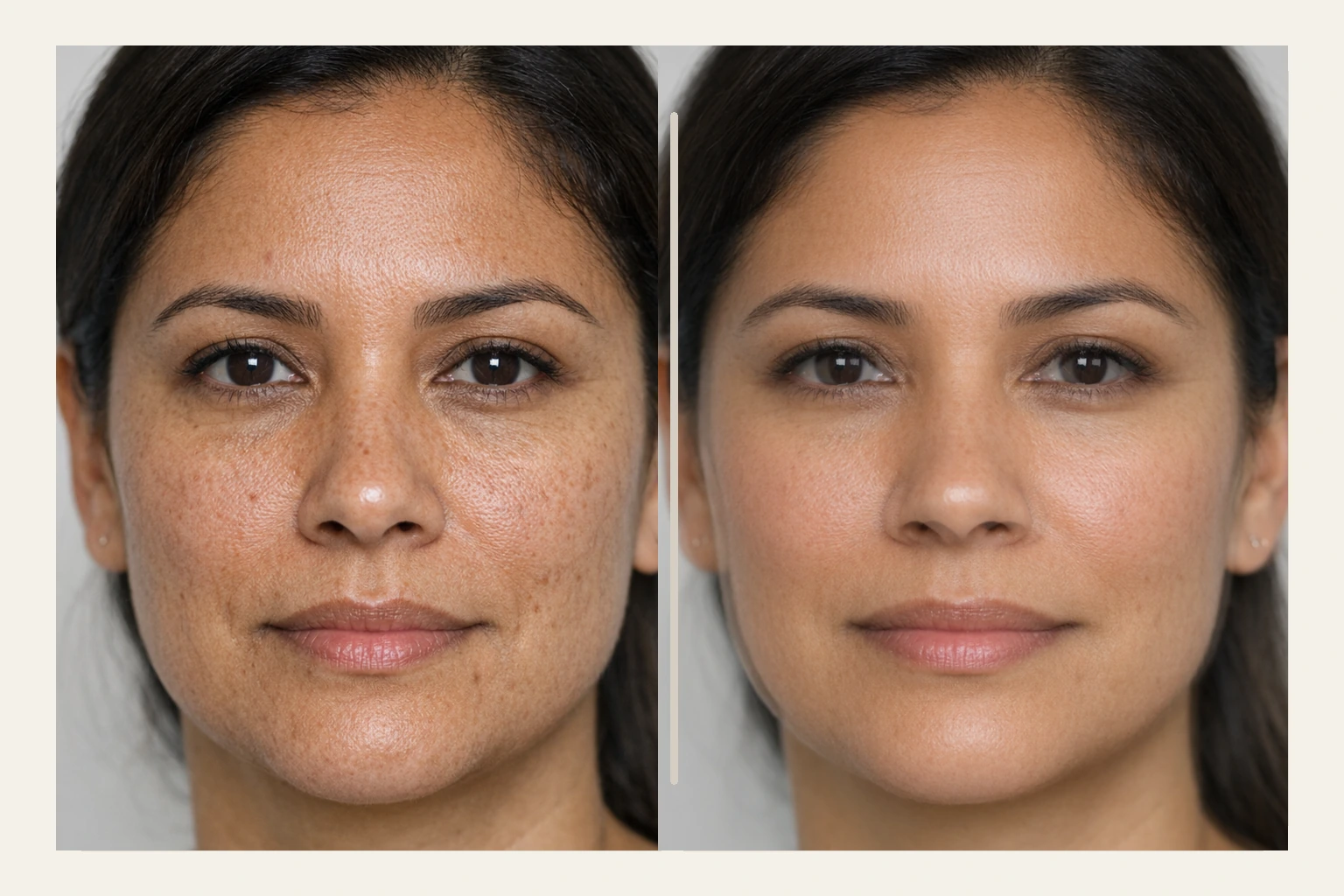
Illustrative acne-scar comparison showing smoother texture and improved tone while preserving realistic pores and remaining skin texture.
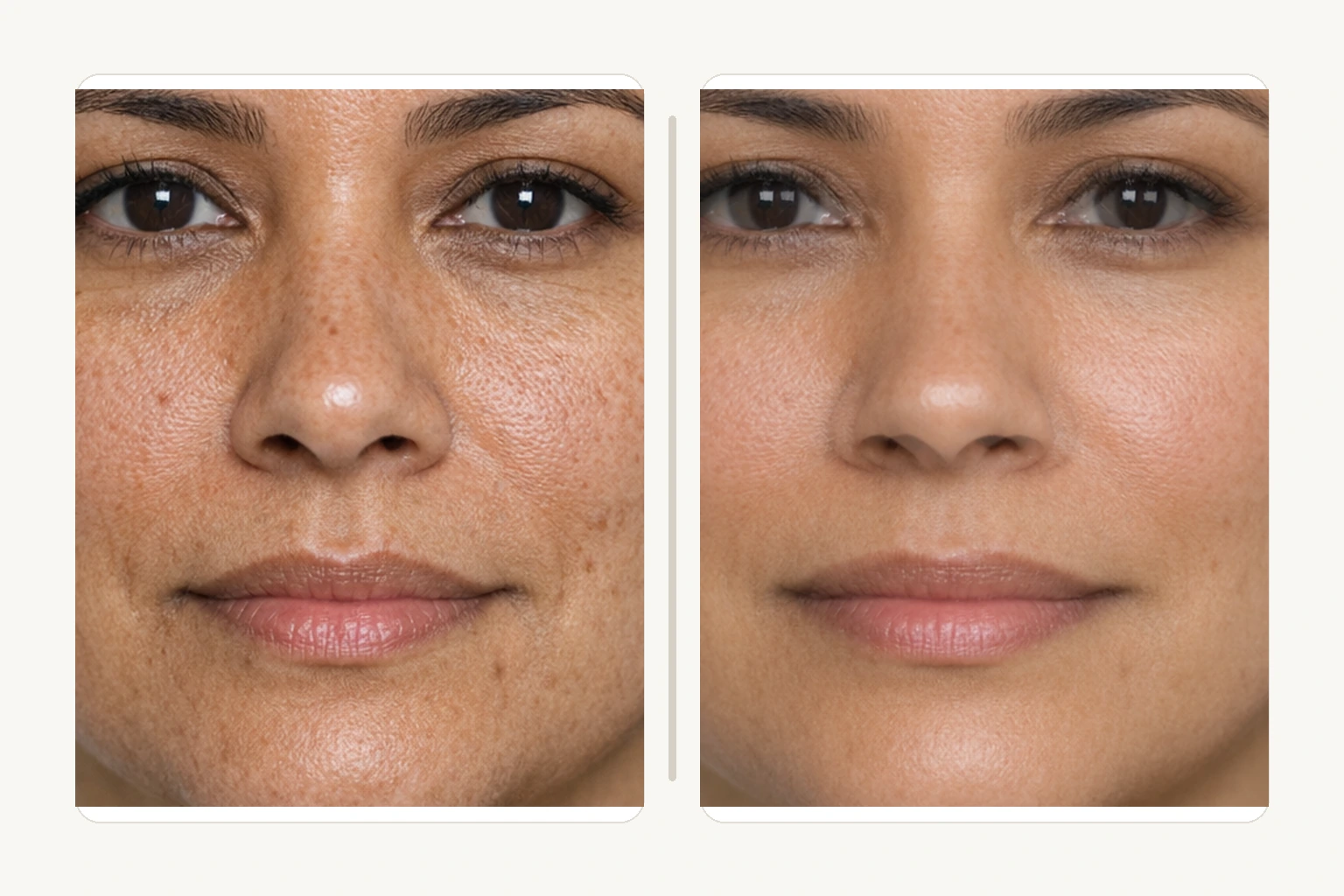
Close texture crop focused on scar-edge softening and more even light reflection without implying flawless results.
Recovery depends on treatment intensity and skin response. Many patients need to plan around several days of visible redness, swelling, dryness, peeling, and sensitivity. Some pinkness or texture changes may last longer while collagen remodeling continues.
Aftercare may include gentle cleansing, barrier support, avoiding active skincare, avoiding rubbing or picking, pausing heat and heavy exercise as directed, and strict sun protection. We also discuss acne-safe recovery products when breakouts or clogged pores are a concern.
Early smoothing can appear after the initial healing phase, but acne-scar remodeling is gradual. The most honest goal is visible improvement in texture, scar-edge definition, and skin quality, not a promise that every scar will disappear.
Depending on scar pattern, CO2 may be part of a staged plan with Scarlet SRF, microneedling, chemical peels, skincare, or acne-control planning before resurfacing.
If acne scars are making your skin look rough, uneven, or shadowed in certain lighting, a consultation can clarify whether CO2 laser acne scar treatment fits your scar type, skin tone, recovery window, and expectations.
See examples of consultations, treatment planning, device-based care, and the clinic environment. Images are provided for educational context; treatment plans and individual outcomes vary.
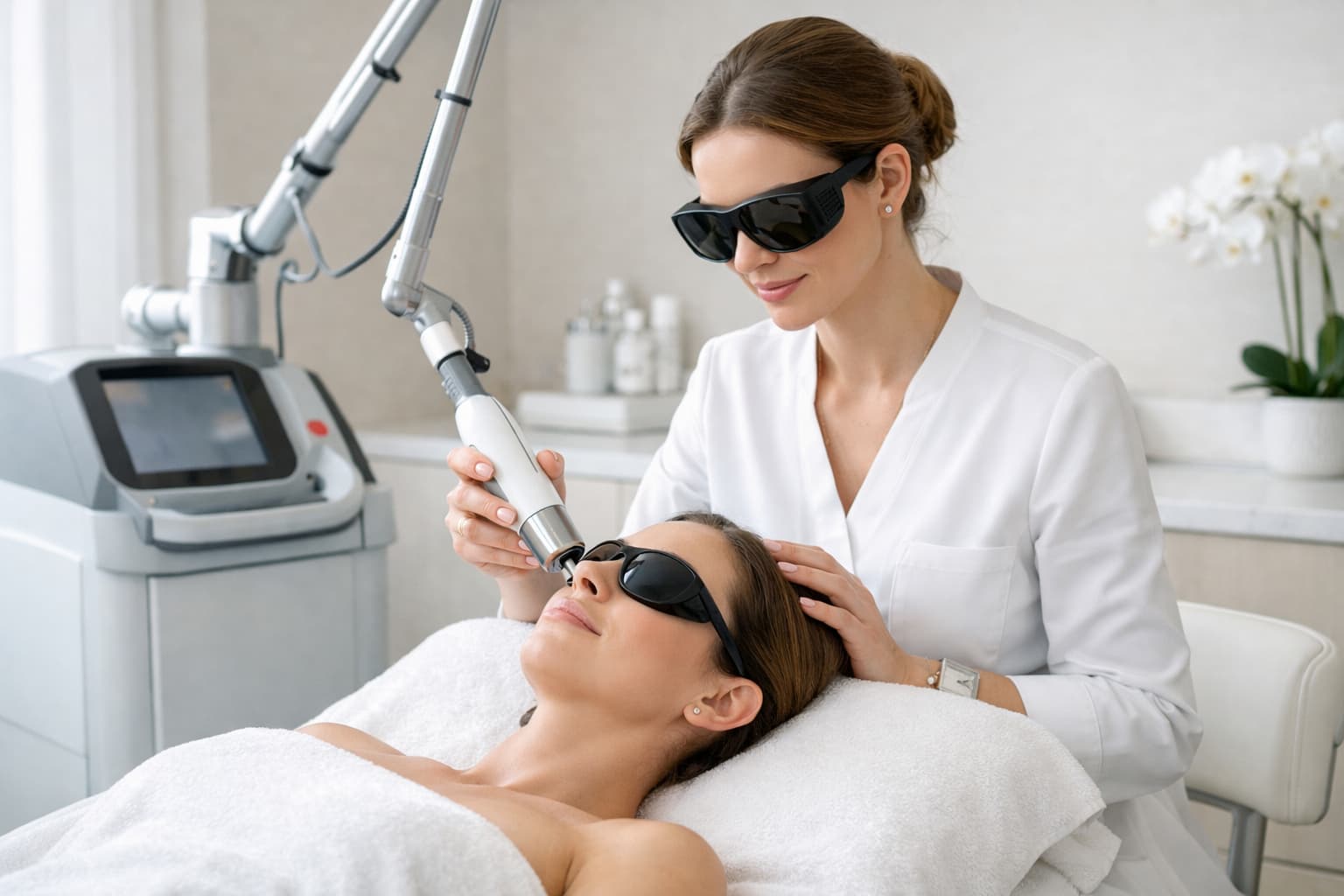


Practical reading selected for this service so patients can understand timing, options, and what to expect before booking.

Standard microneedling creates controlled skin injury, while PRP adds an autologous blood product to the plan. Compare evidence, FDA status, recovery, cost, and candidacy.
Read article
Dermaplaning removes surface dead skin and fine vellus hair, but more exfoliation is not always better. Learn who may benefit, who should wait, and how to avoid irritation and pigment problems.
Read article
Hydrafacial and Aquafirme are hydration-forward facial options, but the right protocol depends on congestion, sensitivity, active products, event timing, and whether the concern needs medical treatment instead.
Read articleClear answers to the most common questions before and after your appointment.
Good candidates usually have stable acne, visible texture irregularity, shallow to moderate pitted acne scars, rolling scars, boxcar-type edges, enlarged-looking pores, or uneven post-acne skin quality and can follow a real recovery plan. Active breakouts, recent tanning, pigment risk, medication history, and deeper tethered scars may change the safest treatment sequence.
PATIENT FEEDBACK
Curated from published patient feedback
Published patient feedback from NPMD records.
Real Estate Agent
In my profession, first impressions matter. The chemical peel series I did at NPMD gave me the clear, glowing skin I had been trying to achieve with expensive skincare products for years. My provider was honest about what would work best and the results speak for themselves.
Personal Trainer
I recommend NPMD to all my clients who want to optimize their health beyond what fitness alone can achieve. Their IV therapy helps with recovery, and the hormone optimization program has been fantastic for several of my older clients who were struggling with energy and body composition despite consistent exercise.
Tech Startup Founder
Between fundraising stress and constant travel, my body was breaking down. The comprehensive wellness assessment at NPMD revealed multiple nutrient deficiencies and cortisol imbalances. Their integrated approach — IV therapy, sleep optimization, and targeted supplements — helped me recover my baseline in about two months. Essential investment in my health.
Architect
The PRP therapy for my receding hairline has produced noticeable results that I honestly did not expect. After four sessions, my hair is visibly thicker and the thinning areas are filling in. The treatment itself was painless and the staff made me feel completely at ease throughout the process.
Graphic Designer
I have struggled with melasma for years and was told it was untreatable. The dermatology team at NPMD developed a careful treatment plan combining specific peels and medical-grade skincare that has significantly lightened my melasma patches. For the first time, I feel comfortable going without heavy foundation.