Chemical peels in Encino for brighter tone, smoother texture, congestion support, post-acne marks, sun discoloration, and a more even glow with medically guided peel selection.
Chemical peels are professional skin-renewal treatments that use carefully selected peel solutions to exfoliate damaged outer skin layers and support a brighter, smoother, more even-looking complexion. At NPMD, chemical peel planning is guided by skin tone, sensitivity, discoloration pattern, acne activity, current products, and how much visible recovery you can realistically manage.
Brand-specific peel options, such as VI Peel and The Perfect Derma Peel, can be discussed during consultation when a more defined peel protocol fits your skin and timeline.
Best for: Brighter tone, smoother texture, discoloration, dullness, congestion
Typical visit: 30-60 min
Category: Treatments / Med Spa Treatments
What Chemical Peels Can Help Improve
Chemical peels can be useful when the concern is mostly at the skin surface: dull tone, uneven texture, roughness, congestion, post-acne marks, or certain forms of discoloration. The right peel depth and formula matter because not every pigment concern or texture issue should be treated the same way.
Dullness and uneven light reflection
Rough texture, dry surface buildup, and visible congestion
Post-acne discoloration and mild acne-related texture changes
Sun-related uneven tone, freckles, and superficial discoloration
Patients who want a clearer, brighter reset without jumping straight to laser treatment
How Peel Selection Is Personalized
A peel is not just one product. Light, superficial, and medium-depth options behave differently. Your plan may involve acids such as glycolic, lactic, salicylic, mandelic, TCA-based blends, or branded peel protocols depending on candidacy and goals.
The consultation helps decide whether your skin is ready for a peel now, needs preparation first, or would be better served by another treatment. This matters most for pigment-prone skin, melasma, active acne, reactive barriers, recent sun exposure, and patients using strong active products.
Skin tone, pigment history, melasma tendency, and post-inflammatory hyperpigmentation risk
Discoloration pattern, acne activity, congestion, texture, and sensitivity
Current retinoids, acids, exfoliants, acne prescriptions, and recent procedures
Cold sore history, keloid tendency, pregnancy status, sun exposure, and upcoming events
Whether a single peel, a series, or a branded peel protocol is most realistic
What Treatment Usually Looks Like
On treatment day, the skin is cleansed and prepared. The peel solution is applied in a controlled way based on the plan. You may feel tingling, warmth, stinging, or tightness while the peel is active. Depending on the formula, the peel may be neutralized in office or left to finish according to specific protocol instructions.
After treatment, the skin may look pink, feel tight, or begin to dry and flake. Some peels create visible sheet-like peeling; others create only light dryness or brightness. The amount of peeling is not the only measure of success. The better measure is whether the skin renews safely and the treatment fits the concern.
Discuss goals and expectations
Ask the clinic how the available options, candidacy, risks, limitations, and recovery may apply to your individual goals. No particular treatment result is guaranteed.
Recovery and Aftercare
Recovery depends on peel depth. Lighter peels may involve redness, tightness, dryness, mild flaking, and sensitivity for a few days. Medium-depth peels may involve stronger redness, swelling, crusting, visible peeling, and a longer recovery window. Sun exposure, picking, scrubbing, heat, and strong active skincare can increase risk while the skin is renewing.
Aftercare may include gentle cleansing, moisturizer or barrier support, strict sunscreen, avoiding tanning, pausing retinoids and acids until cleared, and not pulling at peeling skin. If you have a history of cold sores, we may discuss antiviral precautions before certain peel plans.
Results and Series Planning
Results depend on peel depth, skin condition, aftercare, and how consistently the skin is protected from sun afterward. Light peels often work best as a series for tone, glow, and texture. Medium-depth peels may create more visible renewal but require more careful timing and aftercare.
If discoloration is complex, such as melasma or deeper pigment, the plan may need skincare preparation, maintenance, and conservative sequencing. If the main issue is deeper acne scarring, we may compare peels with microneedling, RF Microneedling, or CO2 laser acne scar treatment.
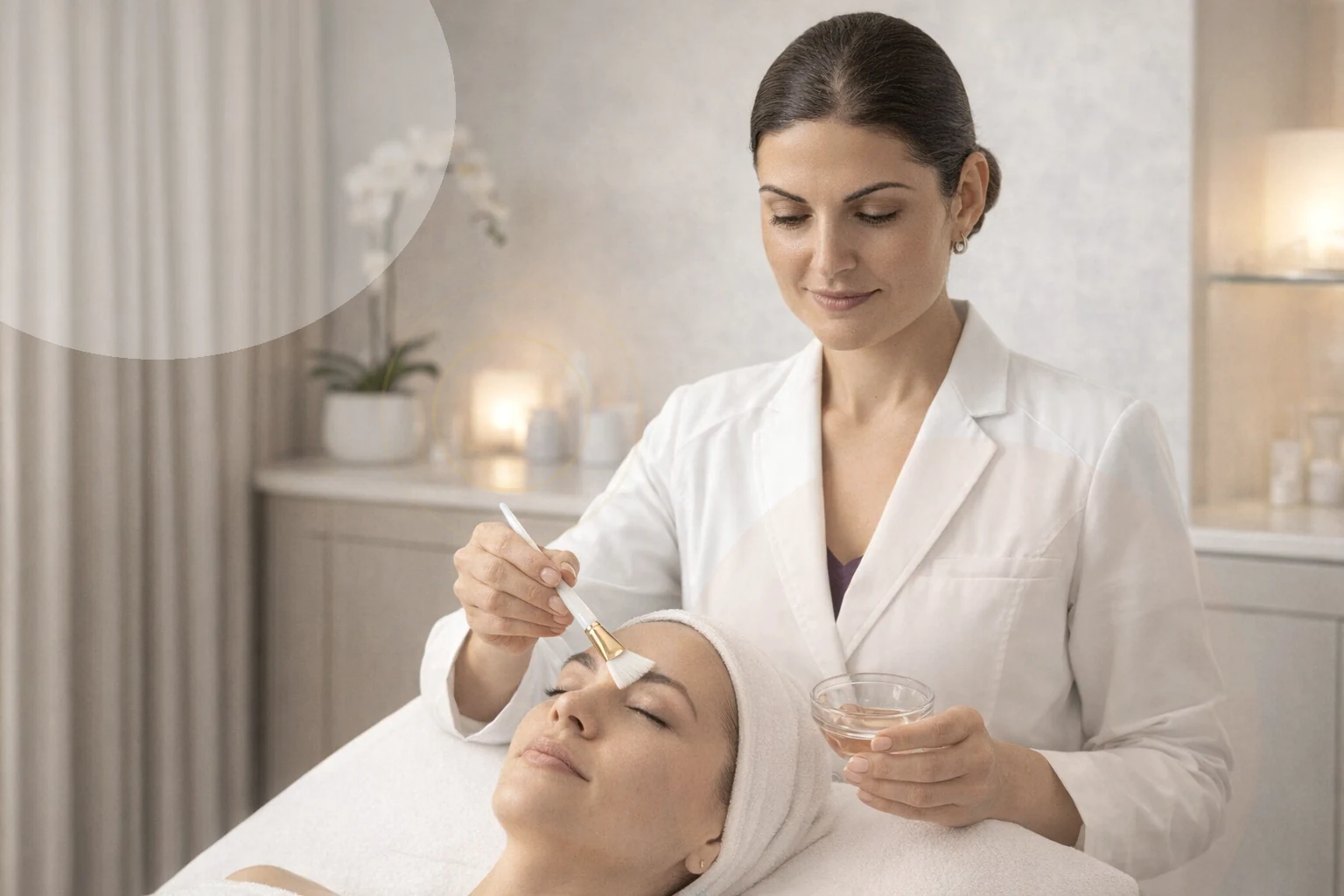
Illustrative application visual showing a professionally planned peel visit, not a real patient outcome.
Book a Chemical Peel Consultation
If you want brighter tone, smoother texture, and a plan for discoloration that accounts for skin safety and downtime, a consultation can clarify which peel path makes the most sense.
Share
Articles for Chemical Peels
Practical reading selected for this service so patients can understand timing, options, and what to expect before booking.
TreatmentsNPMD Clinical Team
IPL vs Chemical Peel: Which Fits Pigment, Redness, or Dullness Better?
IPL and chemical peels can both improve visible skin concerns, but they are not interchangeable. Learn how pigment, redness, dullness, downtime, and skin sensitivity guide the choice.
Medical-Grade Facial vs Chemical Peel: Which Fits Your Skin Barrier Right Now?
A facial and a chemical peel can both improve skin quality, but they are not interchangeable. The right choice depends on irritation, pigment, acne, texture, and whether your skin barrier is ready for exfoliation.
Microneedling vs Chemical Peel: How to Choose Based on Texture, Pigment, Acne Scars, and Downtime
Both treatments can improve skin quality, but they do not target the same concerns in the same way. The best choice depends on what you want to improve first and how much downtime fits your schedule.
Clear answers to the most common questions before and after your appointment.
Good candidates usually want brighter tone, smoother texture, less visible discoloration, congestion support, or mild acne-related marks, and they can follow sun protection and aftercare. Consultation is important if you have active infection, open skin, recent sunburn or tanning, frequent cold sores, pregnancy, keloid tendency, very reactive skin, recent isotretinoin use, or a history of pigment changes after inflammation.
Peel choice depends on skin tone, sensitivity, current products, discoloration pattern, acne activity, texture, and how much visible peeling or downtime you can tolerate. Light peels can support glow and tone over a series, while stronger peels may create more visible renewal but need more recovery and stricter aftercare.
Chemical peels can help some forms of uneven tone, sun-related spots, post-acne discoloration, and dullness, but pigment planning must be careful. Melasma, deeper pigment, and darker skin tones may need preparation, maintenance skincare, strict sunscreen, or a more conservative peel sequence to reduce the risk of post-inflammatory hyperpigmentation.
Downtime depends on peel depth. Lighter peels may cause redness, dryness, tightness, and mild flaking for a few days. Medium-depth peels can create more visible peeling, swelling, crusting, or sensitivity and may need more time away from events. NPMD reviews the expected recovery window before treatment.
Possible risks include redness, burning or stinging, swelling, dryness, peeling, irritation, acne flare, infection, scarring, cold sore reactivation, and temporary or lasting pigment changes. These risks are why peel selection, skin preparation, sun avoidance, and not picking at peeling skin are important.
Published feedback
Reviews are temporarily unavailable. You can contact NPMD with questions about a visit.