Microneedling with PRP in Encino for skin rejuvenation, texture refinement, visible pores, mild acne-scar texture, early fine lines, and healthier glow with platelet-rich plasma support.
Microneedling with PRP combines collagen induction microneedling with platelet-rich plasma prepared from your own blood. The treatment is designed for patients who want gradual skin rejuvenation, smoother-looking texture, refined-looking pores, a healthier glow, and support for mild acne-scar texture or early fine lines.
The plan includes candidacy screening, skin assessment, sterile technique, blood-draw handling, recovery guidance, and realistic expectations about what PRP microneedling can and cannot change.
Best for: Texture, pores, dullness, glow, mild acne-scar texture
Typical visit: 60-90 min
Category: Treatments / Med Spa Treatments
What PRP Microneedling Can Help Improve
Microneedling creates controlled micro-injuries in the skin surface. PRP is then used as part of the treatment plan to support the skin's natural repair environment. This combination is often chosen when the goal is better skin quality rather than volume replacement or a dramatic resurfacing recovery.
Rough, uneven, or dull skin texture
Visible pores and uneven light reflection
Mild acne-scar texture or post-acne roughness
Early fine lines and crepey-looking skin quality
Patients who want a fresher glow with a collagen-supportive plan
How It Differs From Microneedling Alone
Standard microneedling focuses on collagen induction through controlled skin injury. PRP / PRF uses platelet-rich components prepared from your blood. Microneedling with PRP brings those two ideas together for patients who want a treatment that feels more regenerative and glow-focused.
It is still important to keep expectations grounded. PRP microneedling may be helpful for texture and radiance, but deeper acne scars, laxity, pigment problems, or heavy sun damage may need a staged plan with treatments such as Scarlet SRF, CO2 laser acne scar treatment, or chemical peels.
What the Consultation Reviews
The consultation determines whether PRP microneedling is appropriate for your skin, medical history, and timeline. We review the skin barrier, acne activity, pigment risk, scar depth, blood-draw considerations, medications, current skincare, recent treatments, and your ability to follow downtime instructions.
Texture pattern, pore visibility, early lines, and acne-scar type
Active breakouts, irritation, cold sore history, eczema, psoriasis, or recent flares
Blood-thinning medications, platelet concerns, bruising tendency, and healing history
Retinoids, acids, exfoliants, acne prescriptions, and recent procedures
Event timing, sun exposure, makeup needs, and realistic series planning
What Treatment Usually Looks Like
On treatment day, the skin is cleansed and prepared. A small blood draw is used to prepare PRP. A topical numbing step may be used depending on the plan. The microneedling device is passed over selected areas at a depth chosen for your skin and goals, then PRP is applied as part of the treatment sequence.
After treatment, the skin may look red or flushed and feel warm, tight, dry, or sensitive. Mild pinpoint bleeding can occur during treatment. The early recovery phase is focused on calming the skin barrier, avoiding avoidable irritation, and protecting the treated skin while it heals.
Discuss goals and expectations
Ask the clinic how the available options, candidacy, risks, limitations, and recovery may apply to your individual goals. No particular treatment result is guaranteed.
Recovery and Aftercare
Recovery is usually lighter than aggressive resurfacing, but the skin still needs careful aftercare. Redness, warmth, tightness, tenderness, dryness, light flaking, swelling, or bruising can happen. The skin may feel temporarily rough before it starts to look fresher.
Aftercare may include gentle cleansing, simple barrier-supporting products, avoiding retinoids and acids until cleared, avoiding picking or scrubbing, pausing heat and heavy exercise as directed, and using strict sun protection. We explain when makeup, active ingredients, exercise, and normal skincare can safely resume.
Results and Series Planning
Some patients notice a fresher glow after early healing, but collagen-related changes build gradually over weeks and months. Texture, pores, and acne-scar surface changes usually require a series rather than one visit.
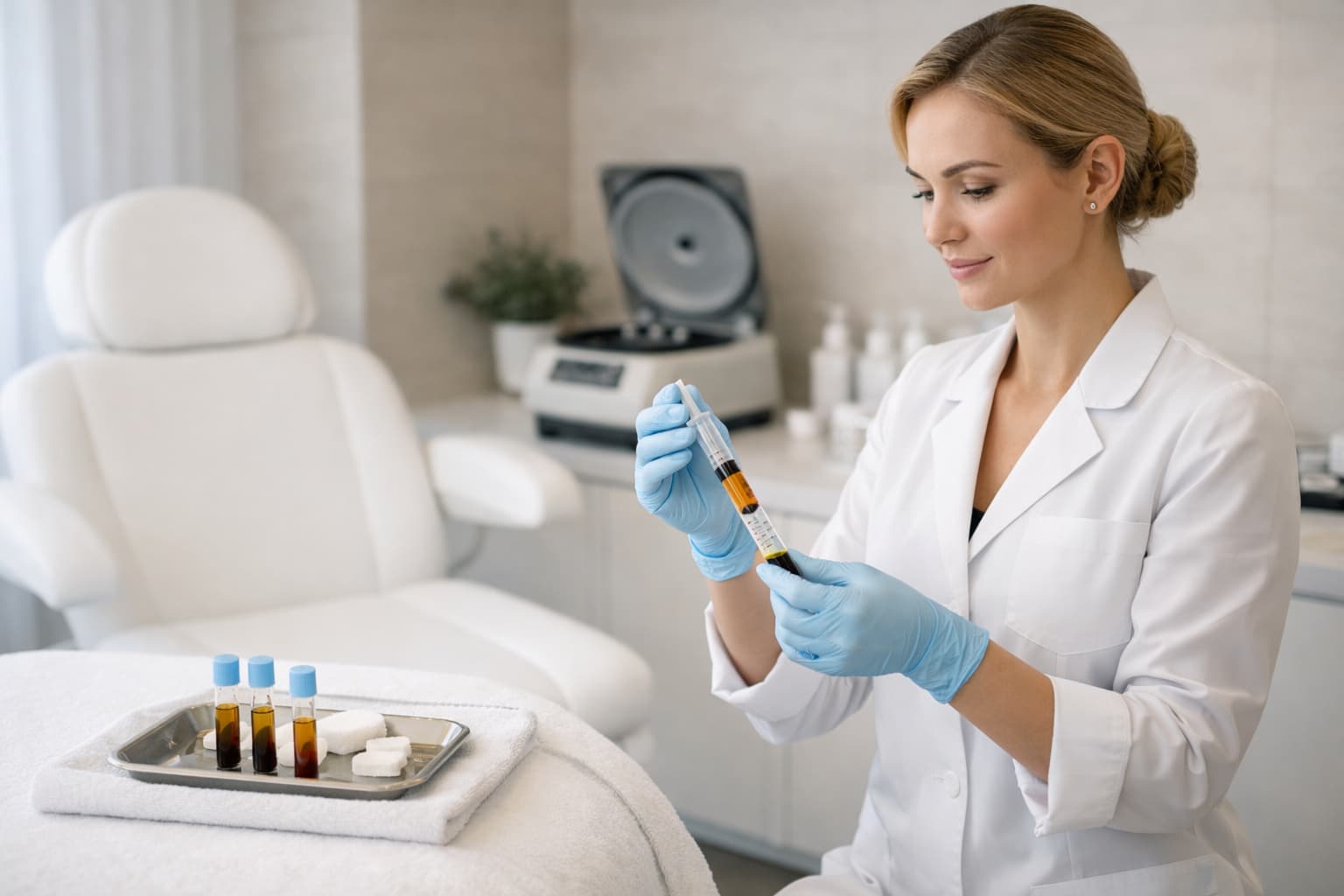
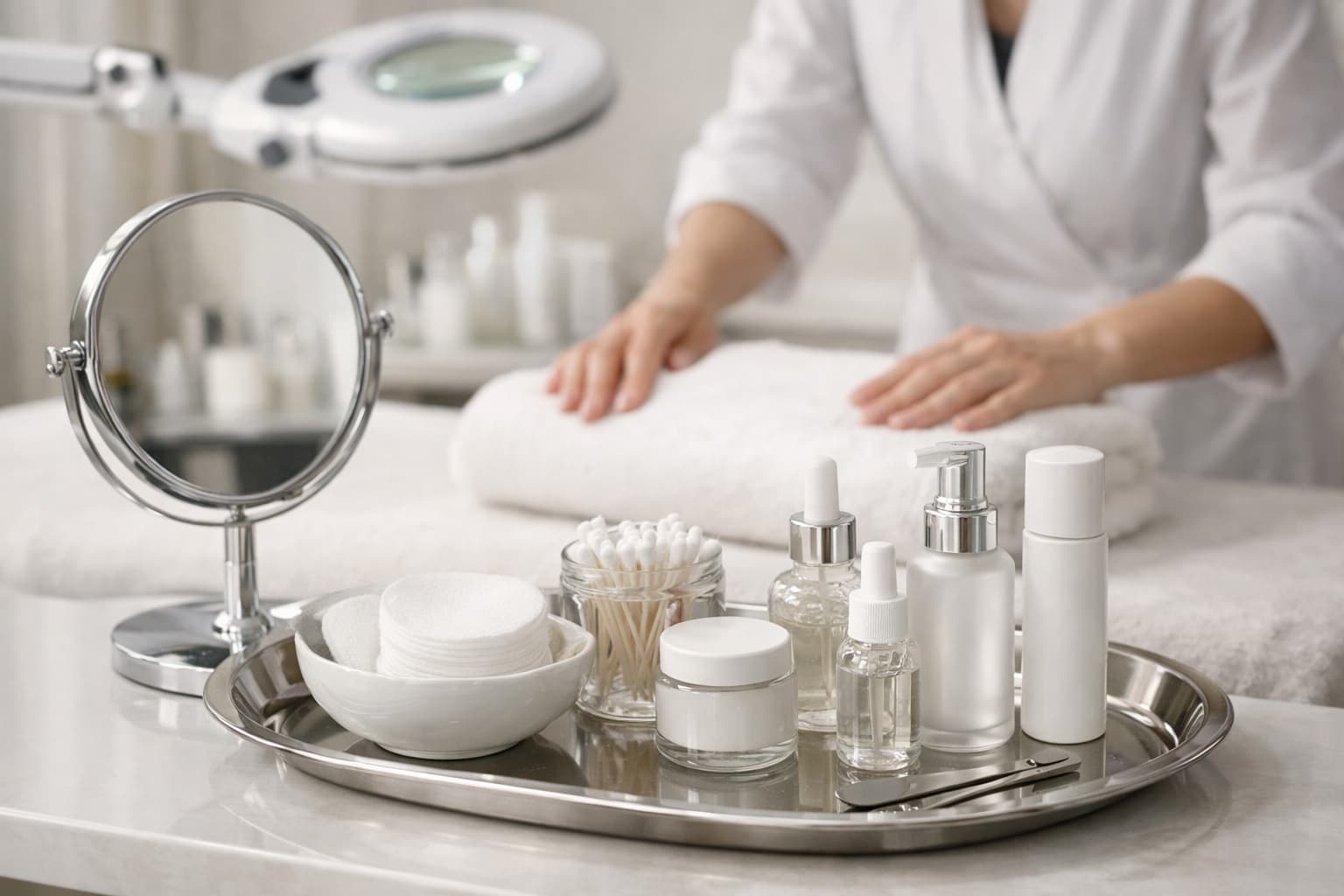
Illustrative consultation visual showing PRP preparation and treatment planning rather than a real patient outcome.
Book a Microneedling with PRP Consultation
If you want smoother texture, softer-looking pores, and a healthier glow with a regenerative skin-quality plan, a consultation can clarify whether microneedling with PRP is the right fit for your skin.
Share
Articles for Microneedling with PRP
Practical reading selected for this service so patients can understand timing, options, and what to expect before booking.
TreatmentsNPMD Clinical Team
What Is PRP Therapy? How Platelet-Rich Plasma Is Used in Skin and Hair Treatment Planning
PRP is often discussed as a regenerative option for skin and hair concerns, but the real question is when it fits the plan and what results are realistic for your starting point.
PRP Microneedling vs Standard Microneedling: Does PRP Add Value?
Standard microneedling creates controlled skin injury, while PRP adds an autologous blood product to the plan. Compare evidence, FDA status, recovery, cost, and candidacy.
Skin Texture, Pores, and Dullness: How to Choose a Beauty Consultation Starting Point
Texture, visible pores, dullness, and uneven glow can come from different causes. Learn how a beauty consultation can separate barrier issues, acne history, pigment, and treatment readiness before choosing a facial, peel, or device.
Clear answers to the most common questions before and after your appointment.
Good candidates usually want gradual improvement in skin texture, visible pores, dullness, mild acne-scar texture, early fine lines, or overall glow, and they can follow aftercare. Consultation is important if you have active acne, eczema or psoriasis flares, frequent cold sores, a history of keloids, bleeding or platelet disorders, blood-thinning medication use, recent isotretinoin use, or upcoming sun-heavy travel.
PRP stands for platelet-rich plasma. It is prepared from a small blood draw and applied as part of the treatment plan after microneedling creates controlled microchannels. The goal is to support the skin's natural repair response and improve the look of radiance, texture, pores, and early lines over time. Results vary, and PRP is not a substitute for stronger resurfacing when deeper scars or laxity are the main concern.
Most patients should expect redness, warmth, tightness, sensitivity, pinpoint bleeding, dryness, or light flaking for a few days. Bruising or swelling can happen. Exact downtime depends on needle depth, skin sensitivity, treatment intensity, and aftercare. Sun protection and gentle skincare are important while the barrier recovers.
Some glow can appear after early healing, but collagen-related changes build gradually. Many people choose a series spaced several weeks apart, especially for pores, texture, fine lines, or acne-scar texture. During consultation, NPMD helps decide whether PRP microneedling alone is reasonable or whether a combination plan makes more sense.
Possible risks include redness, swelling, tenderness, bruising, pinpoint bleeding, dryness, flaking, acne flare, infection, pigment changes, scarring, or irritation from aftercare products. PRP also involves a blood draw, so candidacy screening matters for patients with blood, platelet, or clotting concerns.
Read NPMD reviews
Explore patient experiences on our Google and Yelp profiles.