LED Light Therapy in Encino for calmer-looking skin, reduced visible redness, acne-prone skin support, and a healthier glow with a gentle non-invasive light-based treatment plan.
LED Light Therapy at NPMD is a non-invasive, low-downtime light-based treatment used to support calmer-looking skin, reduced visible redness, acne-prone skin plans, and a healthier glow. Different LED wavelengths can be selected around the concern, such as redness support, inflammation support, or clearer-looking skin.
This service is intentionally separate from IPL / Phototherapy. IPL is a stronger light-based treatment often used for pigment and vascular concerns. LED Light Therapy is gentler and usually works best as a supportive skin-quality treatment or as part of a series.
Best for: Redness, sensitivity support, acne-prone skin, glow, recovery support
Typical visit: 20-30 min
Category: Treatments / Device-Based Treatments
What LED Light Therapy Can Help Improve
LED Light Therapy is best for patients who want gentle skin support rather than aggressive resurfacing. It can be helpful when the goal is a calmer surface, a healthier glow, or a low-downtime add-on to a broader skin plan.
Visible redness and skin that looks easily flushed
Acne-prone skin when blue light support is appropriate
Dullness and tired-looking skin that needs a gentle refresh
Post-treatment recovery support after selected facials or skin procedures
Patients who want a non-invasive option with minimal interruption to daily life
How This Differs From IPL and Facial Treatments
LED Light Therapy is not the same as IPL, laser resurfacing, or a traditional facial. LED uses specific light wavelengths and does not rely on ultraviolet light. It is generally gentler than IPL and does not create the same heat-based pigment or vessel targeting that IPL can provide.
Light-based treatments need screening even when they are gentle. The consultation helps decide which wavelength approach is appropriate, whether LED should be used alone or paired with another service, and whether any safety concerns make treatment unsuitable.
Redness pattern, acne tendency, sensitivity, pigmentation, and skin barrier status
Current prescriptions, isotretinoin history, lithium use, photosensitizing medications, or topical actives
Skin cancer history, suspicious lesions, eye conditions, seizure history, or light sensitivity
Recent peels, lasers, microneedling, facials, sunburn, or active irritation
Whether LED, IPL, a facial, acne care, rosacea care, or another treatment path is the better first step
What Treatment Usually Looks Like
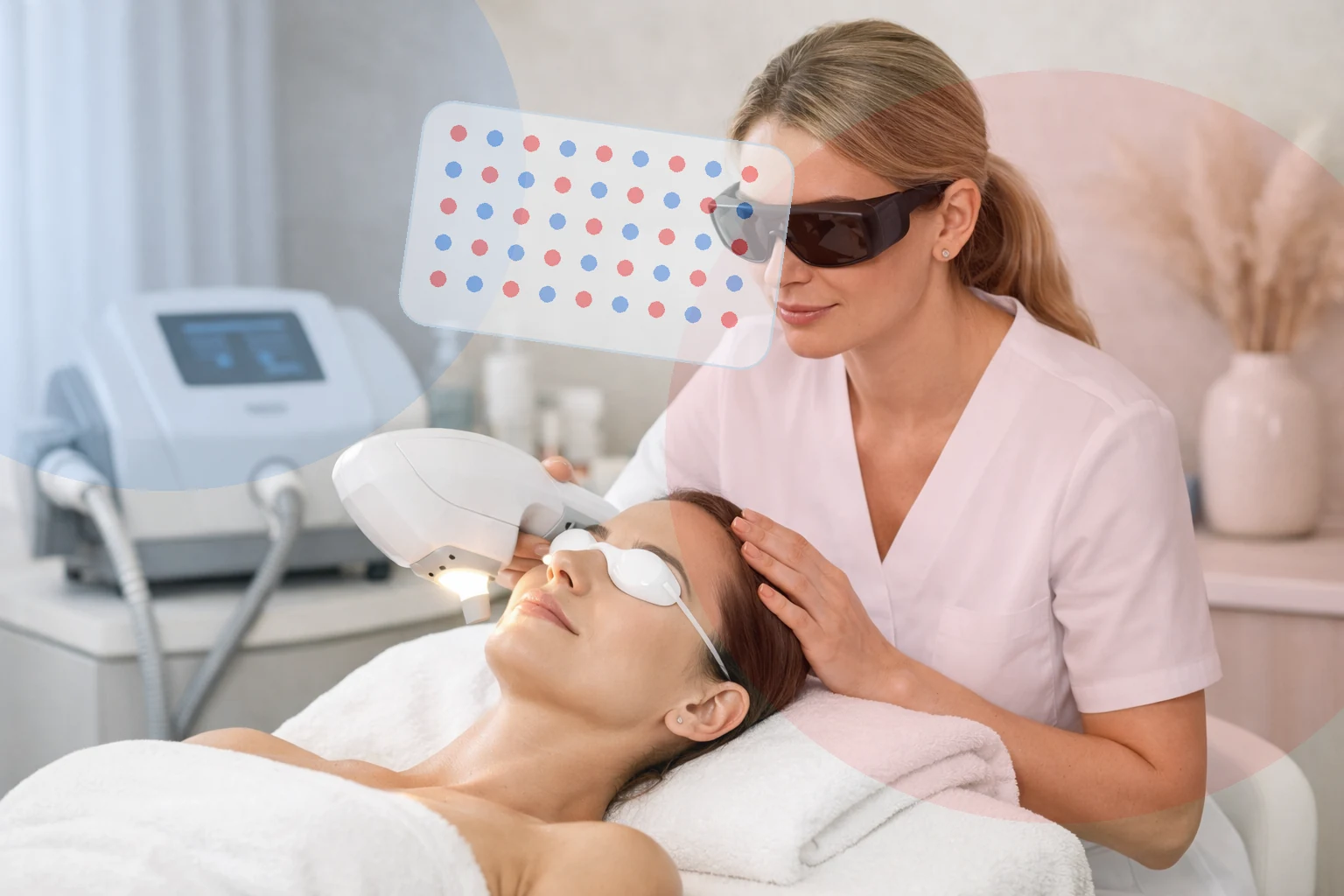
Treatment usually starts with clean skin and appropriate eye protection. The LED device is positioned according to the selected treatment plan, and the session is usually comfortable. Patients may notice gentle warmth, but the treatment should not feel like aggressive resurfacing.
Red, blue, or combined wavelengths may be used depending on whether the plan is focused on redness support, acne-prone skin support, or general skin-quality glow. NPMD may also use LED as a supportive step after selected facial treatments when appropriate.
Discuss goals and expectations
Ask the clinic how the available options, candidacy, risks, limitations, and recovery may apply to your individual goals. No particular treatment result is guaranteed.
Recovery and Aftercare
Most patients have no meaningful downtime after LED Light Therapy. Temporary warmth, redness, irritation, dryness, headache, or eye sensitivity can happen, especially if the skin is already reactive or if light sensitivity was not properly screened.
Aftercare is usually simple: gentle skincare, hydration, avoiding unnecessary irritation, and daily sun protection. If LED is paired with another service, aftercare follows the more intensive treatment in the plan.
Results and Series Planning
LED Light Therapy is usually a gradual treatment. Many patients need a series to see meaningful skin-quality improvement, and maintenance depends on the concern being supported. It is a subtle tool, not a one-visit replacement for more corrective procedures.
Illustrative treatment visual showing a light-based session and eye protection, not a real patient outcome.
Book an LED Light Therapy Consultation
If you want a gentle light-based treatment for calmer-looking skin, reduced visible redness, acne-prone skin support, or a healthier glow, a consultation can clarify whether LED Light Therapy is the right fit or whether another NPMD treatment would be more effective.
Share
Articles for LED Light Therapy
Practical reading selected for this service so patients can understand timing, options, and what to expect before booking.
Spa & RecoveryNPMD Clinical Team
Red Light Therapy vs LED Light Therapy: Recovery Lounge or Skin Treatment?
Red light in a recovery lounge and medical LED treatment can use related technology but serve different goals. Learn how wavelength, device indication, screening, treatment setting, and expectations change the plan.
Fatigue, Cold Intolerance, and Brain Fog? What a Thyroid Evaluation Should Review Before You Assume It Is Just Stress
When fatigue, feeling cold, slower recovery, and brain fog keep clustering together, generic wellness advice may stop being useful. A physician-led thyroid evaluation can review symptom timing, prior labs, medication context, and whether the thyroid deserves closer attention or a different issue fits better.
Adult Acne or Product Overload? How to Tell When Breakouts Need a Medical Plan
If breakouts, congestion, and lingering dark marks keep cycling back, the next step may be a physician-led acne evaluation rather than adding more actives or changing products again.
Clear answers to the most common questions before and after your appointment.
Good candidates usually want a gentle, non-invasive treatment to support calmer-looking skin, redness reduction, acne-prone skin support, or a healthier glow with little to no downtime. Consultation is important if you have a history of skin cancer, inherited eye disease, seizures triggered by light, photosensitivity, pregnancy-related concerns, or medications that increase light sensitivity such as isotretinoin or lithium.
Different LED wavelengths are used for different goals. Red LED light is commonly used for inflammation support, skin rejuvenation, and healthier-looking tone. Blue LED light is commonly used in acne-prone skin plans because it targets acne-related bacteria near the skin surface. NPMD selects the light approach around your skin concern and safety history.
LED Light Therapy may help the skin look calmer, less visibly red, clearer, and more refreshed over a series of treatments. It is best for subtle skin-quality support. It does not replace IPL, lasers, prescription acne care, rosacea medical management, injectables, or resurfacing when deeper pigment, vessels, scars, laxity, or active inflammatory disease is the main concern.
Most patients have no meaningful downtime after LED Light Therapy and can usually return to normal activities. Temporary warmth, redness, irritation, dryness, headache, or eye sensitivity can happen. Eye protection and proper screening are important because light exposure is not appropriate for every patient.
LED Light Therapy is usually planned as a series rather than a one-time dramatic treatment. The number of sessions depends on redness, acne tendency, sensitivity, treatment goals, and whether LED is being used alone or as support after facials, peels, microneedling, or other skin treatments.
Published feedback
Reviews are temporarily unavailable. You can contact NPMD with questions about a visit.