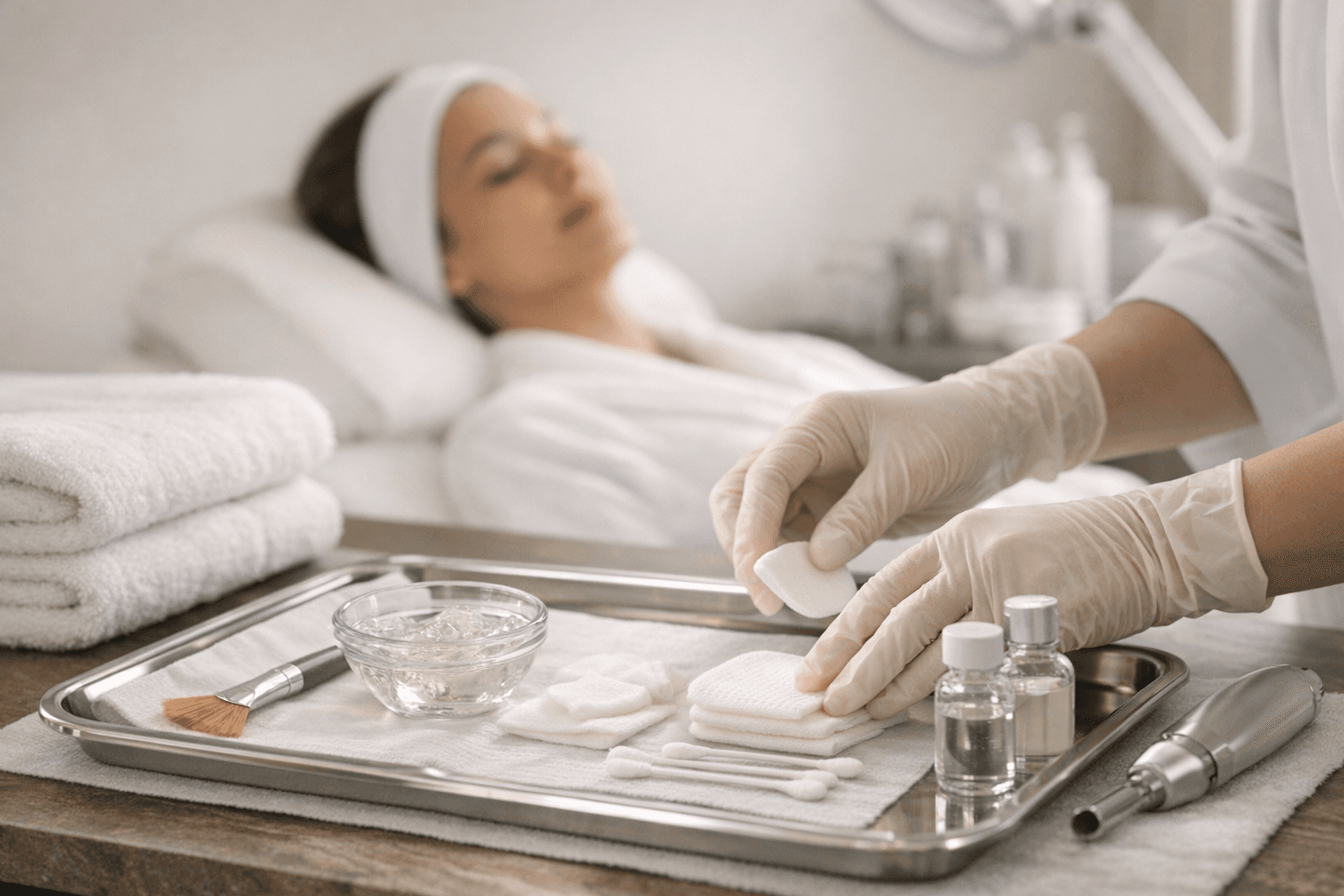
CO2 laser spot treatment in Encino for targeted resurfacing of small scars, rough texture patches, fine etched areas, and localized sun damage with careful blending and recovery planning.
Quick answers before you book
Start here if you want the clearest use case, Encino location, consultation focus, and timing notes before booking CO2 Laser Spot Treatment at NPMD.
- Best fit: CO2 Laser Spot Treatment usually makes sense when you want a clearer plan around texture, tone, contour, recovery, or another targeted treatment goal and need help deciding the right next step.
- Location: CO2 Laser Spot Treatment is offered at NPMD in Encino, where your plan can stay connected to physician-led evaluation, follow-up, and related next steps when more than one service is involved.
- Consultation focus: Planning typically covers the treatment area, goals, aftercare, recovery expectations, and whether CO2 Laser Spot Treatment should be staged with another service for a more realistic result.
- Timing: Most co2 laser spot treatment sessions take about 30-60 min. Timing can change when consultation, preparation, or follow-up steps are part of the same appointment.
Explore more: Treatments services, Device-Based Treatments, Doctors, Reviews, FAQs, and Book an appointment.
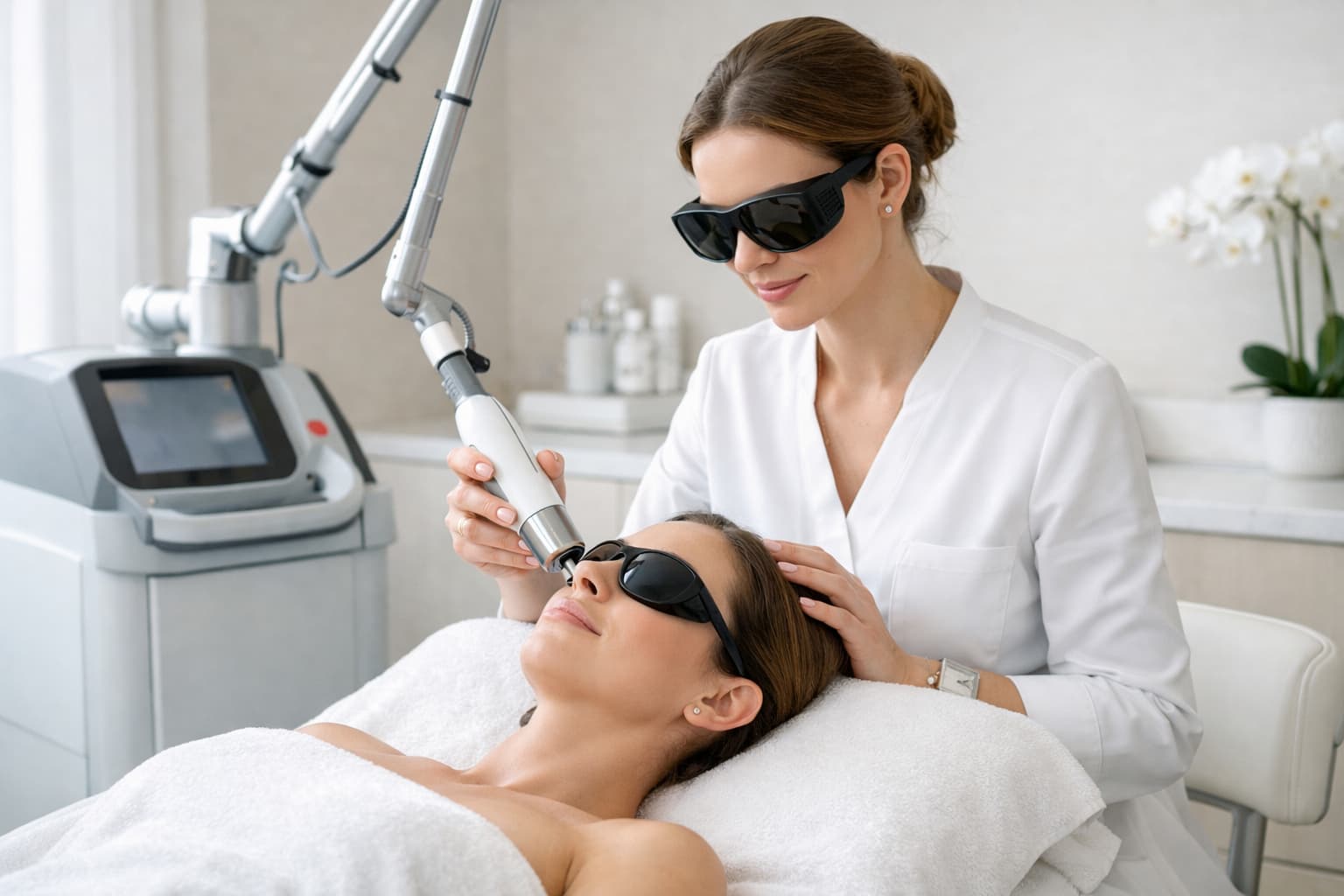
CO2 laser spot treatment is a focused resurfacing option for patients who want to improve a small, specific area rather than the entire face. It may be considered for selected scars, rough texture patches, fine etched areas, or localized sun-related surface damage when the concern is concentrated enough for a targeted plan.
At NPMD, this service is placed under Treatments because even a small CO2 treatment is still a device-based resurfacing procedure. The goal is careful localized refinement with realistic expectations, not over-treating a small spot or creating a mismatch with surrounding skin.
Best for: Small scars, texture patches, sun damage spots, localized resurfacing
Typical visit: 30-60 min
Category: Treatments / Device-Based Treatments
What CO2 Laser Spot Treatment Can Help Improve
A spot treatment is best suited to small areas where the surrounding skin does not need the same level of resurfacing. The treatment plan is built around the exact target zone, the depth of the concern, and how the treated area will blend with untreated skin.
- Small shallow scars or scar edges that catch light
- Localized rough texture or uneven surface quality
- Small sun-damaged or photoaged texture patches
- Focused fine lines or etched texture in a limited area
- Patients who do not need a full-face CO2 plan
How Spot Treatment Differs From Full-Face CO2
Full-face resurfacing is used when texture, tone, pores, scars, or sun damage are spread across multiple facial zones. A spot treatment is smaller and more selective, but it still requires careful setting selection, aftercare, and blending strategy.
If your concern is more widespread, we may compare this service with CO2 laser full face treatment, fractional CO2 laser resurfacing, CO2 laser acne scar treatment, or broader sun damage planning.
What the Consultation Reviews
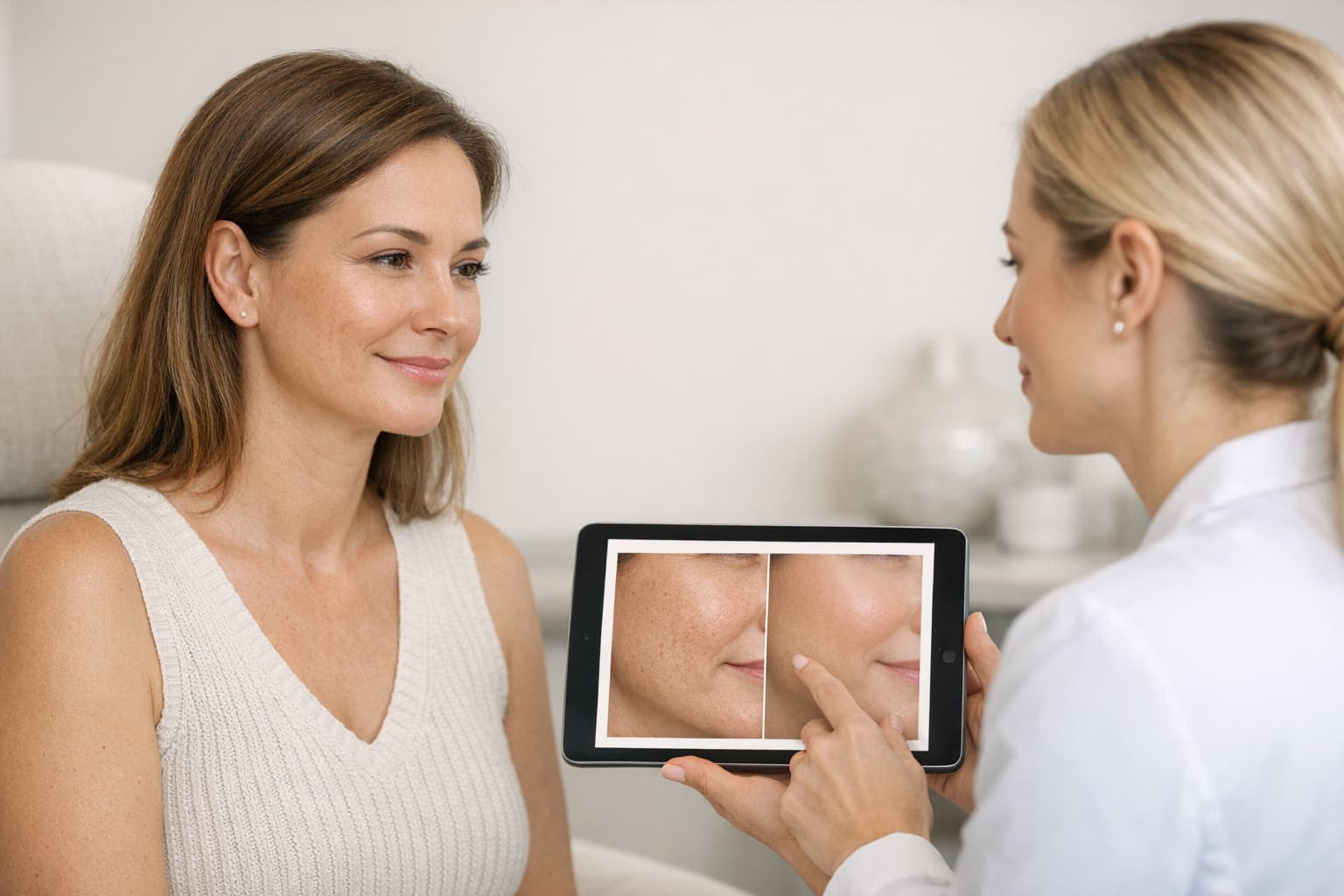
The consultation determines whether the target area is appropriate for spot resurfacing or whether treating a broader field would produce a smoother, more natural blend. We review the size, location, scar or texture type, pigment risk, recent sun exposure, current skincare, and recovery timing.
- Whether the concern is a scar, sun-damage spot, texture patch, fine line, or mixed issue
- How the treated area may blend with surrounding untreated skin
- Skin tone, pigment history, recent tanning, and sun exposure habits
- Current retinoids, acids, exfoliants, prescriptions, and recent treatments
- Aftercare expectations, event timing, and whether a staged plan is safer
What Treatment Usually Looks Like
On treatment day, the skin is cleansed and the target area is confirmed. Comfort support may be used depending on the spot location and treatment depth. The CO2 settings and treatment boundary are chosen to refine the target concern while respecting the surrounding skin.
The treated spot may feel hot, tight, dry, swollen, or sensitive after treatment. Redness, peeling, crusting, roughness, and pinkness are possible while the area heals. Even though the treatment area is small, picking, scrubbing, heat, active skincare, and sun exposure can increase risk.
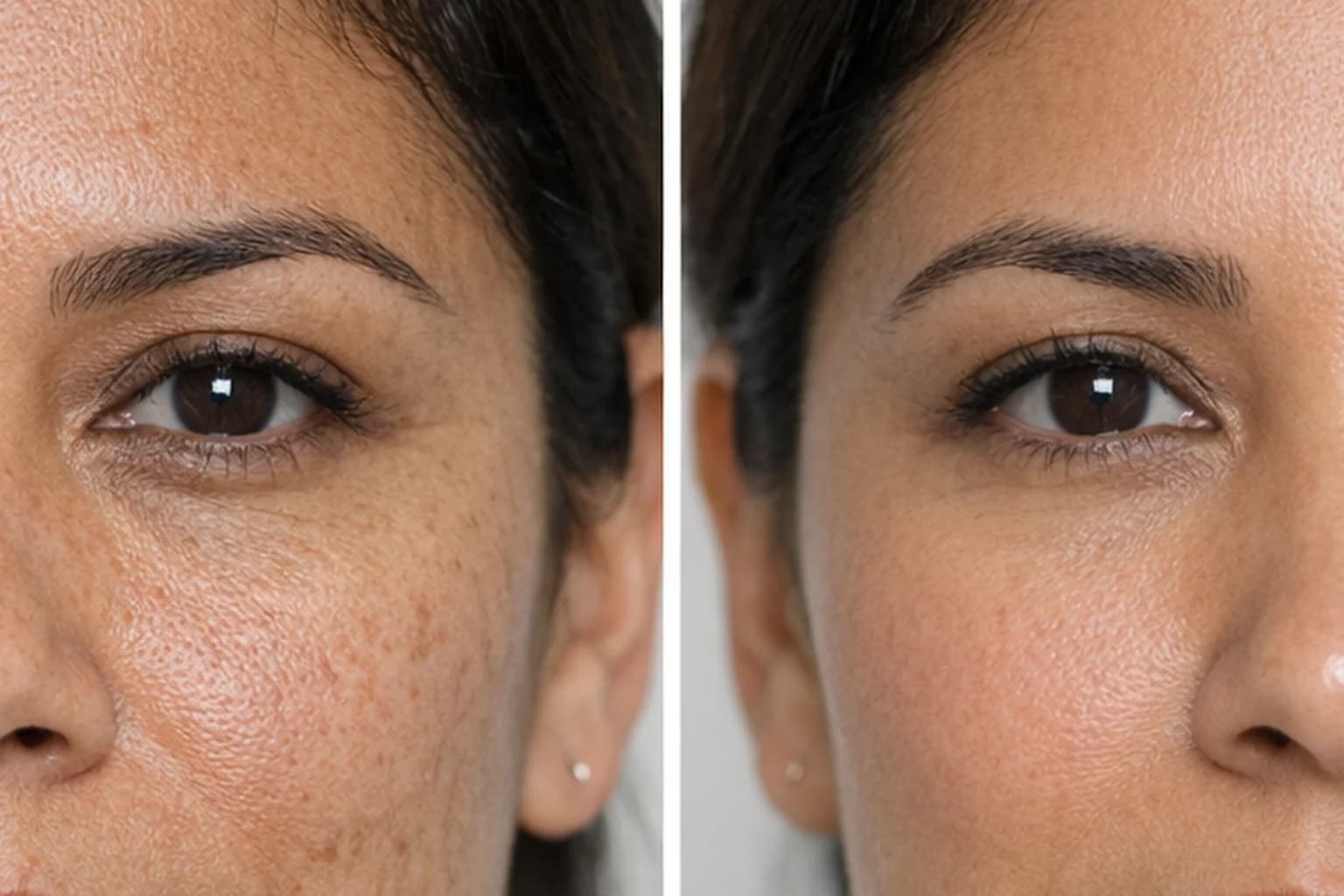
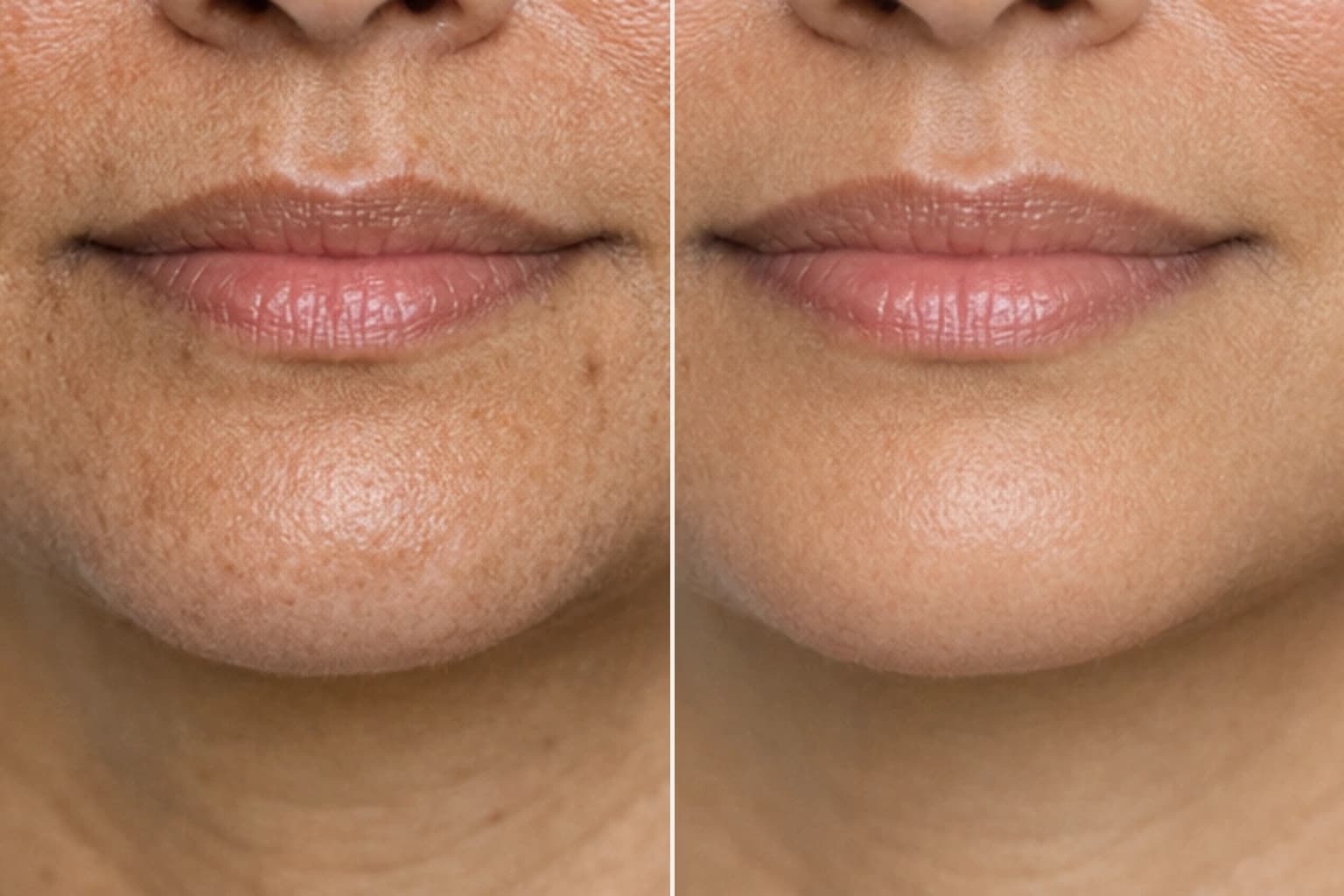
Illustrative Targeted Resurfacing Improvement
The images below are synthetic educational visuals, not NPMD patient results. They show the type of focused improvement patients often ask about for a small scar, texture patch, or sun-damaged spot without implying perfect erasure.
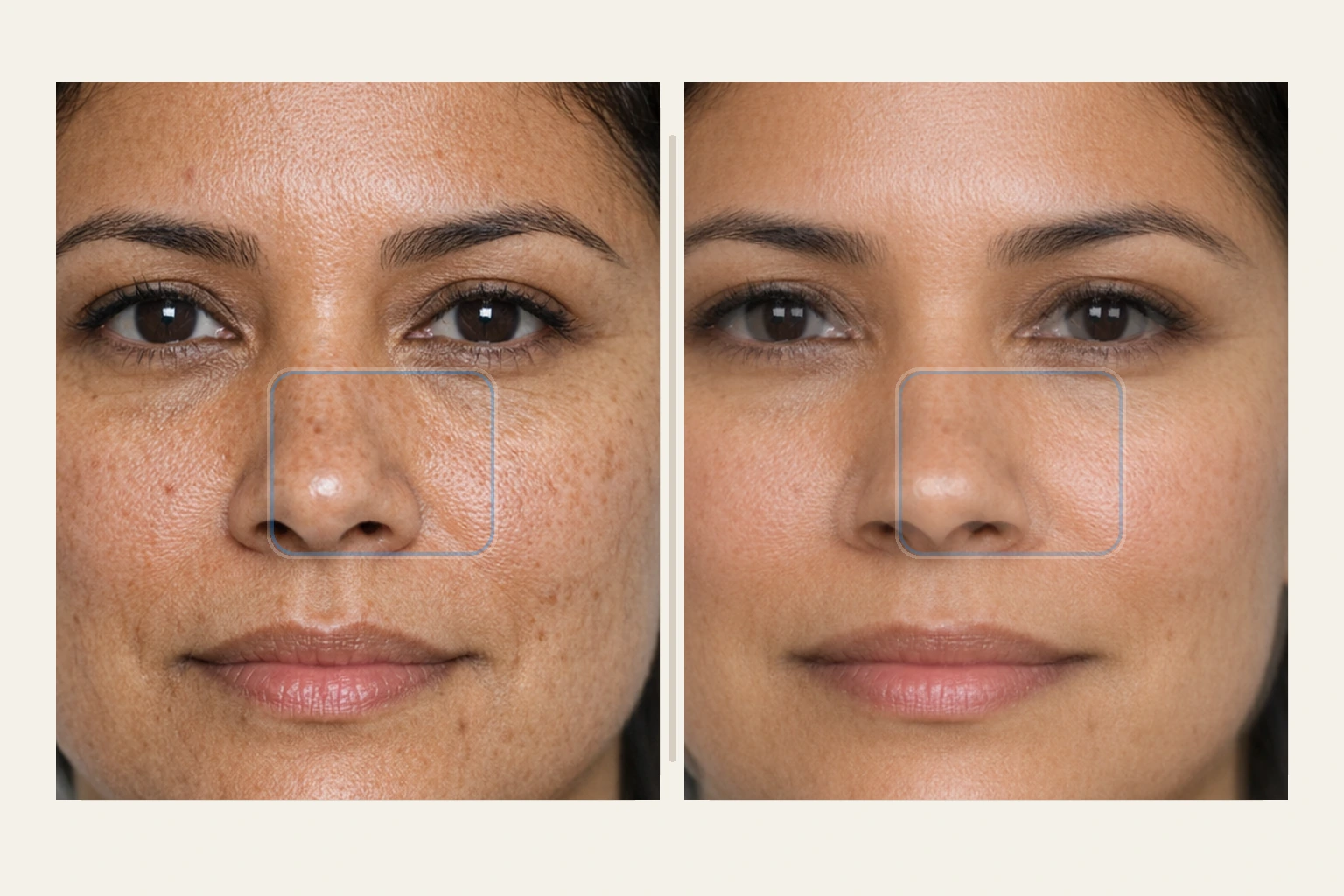
Illustrative targeted comparison showing a small resurfacing zone with softer texture and reduced visible discoloration after healing.
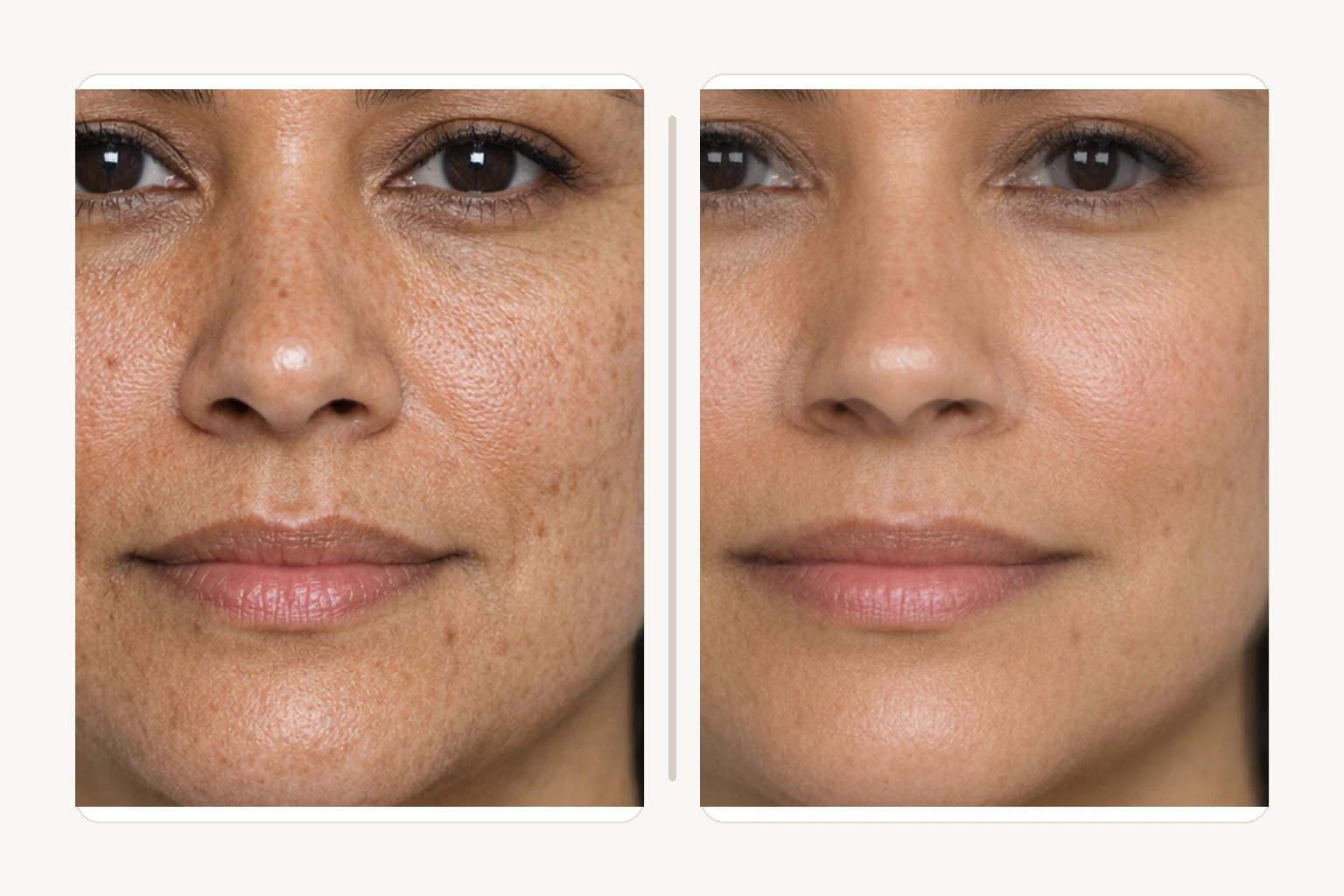
Close detail crop showing realistic localized improvement in texture, scar edge visibility, and sun-damage appearance.
Recovery and Aftercare
A smaller treatment area does not remove the need for careful aftercare. The spot may look red, dry, flaky, crusted, or pink while the skin heals. Depending on the location, the healing area may be more noticeable because the surrounding skin was not treated.
Aftercare may include gentle cleansing, barrier support, avoiding active skincare, avoiding rubbing or picking, pausing heat and heavy exercise as directed, and strict sun protection. We also explain how to protect the area while it blends back into surrounding skin.
Results and Blending Expectations
Some improvement may be visible after early healing, while collagen-related refinement develops gradually. The best result is usually a target area that looks softer and less distracting, not a perfectly erased spot.
If the concern is larger than expected, spot treatment may be combined or compared with laser treatments, chemical peels, microneedling, or broader resurfacing so the final appearance looks balanced.
Book a CO2 Laser Spot Treatment Consultation
If one small scar, texture patch, sun-damaged spot, or etched area is bothering you, a consultation can clarify whether CO2 laser spot treatment is the right focused option or whether a broader plan would blend better.