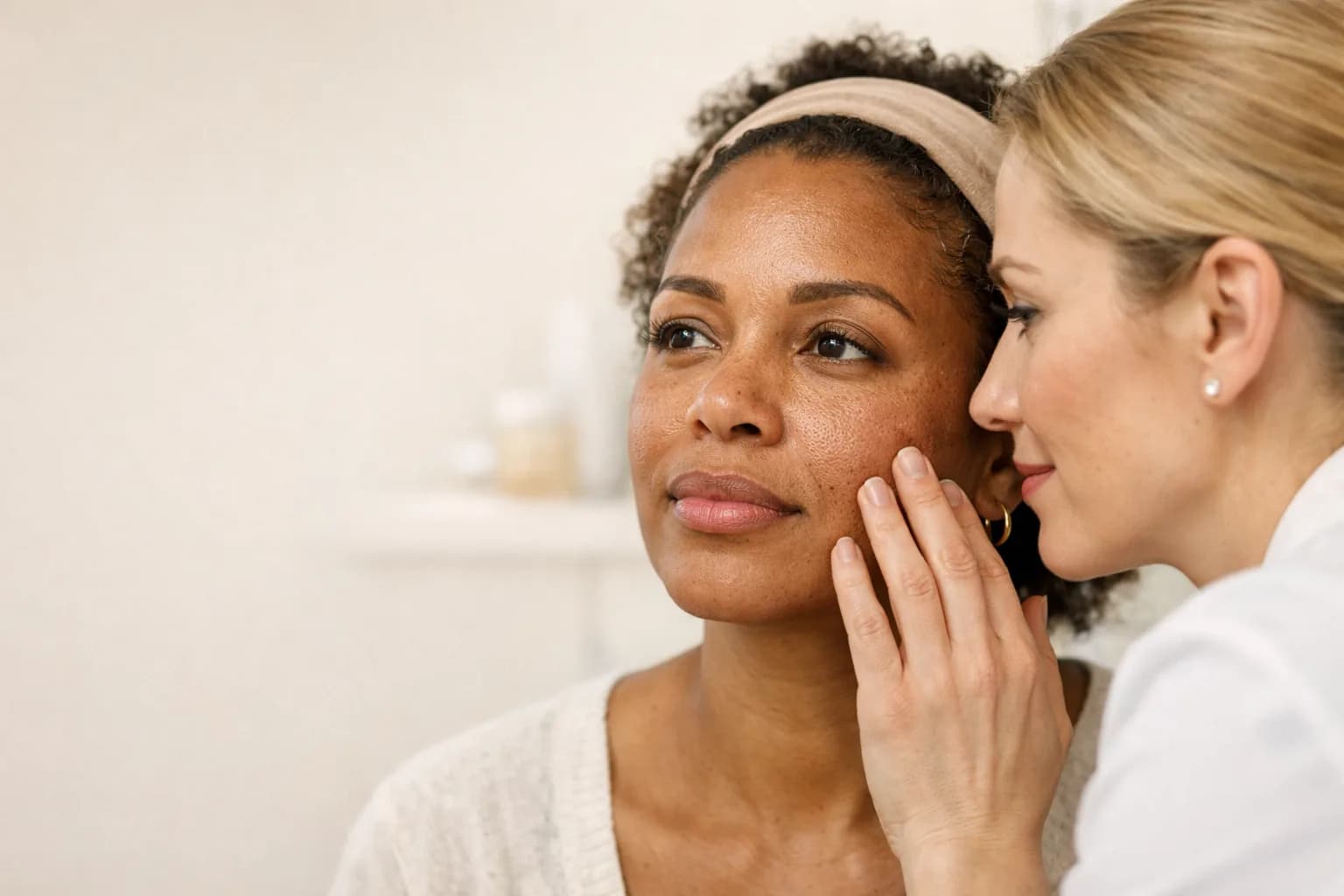
Under-eye shadows can come from hollows, pigment, thin skin, puffiness, allergies, sleep quality, or facial structure. Learn why filler is not always the first answer.
Answer First: Shadows Do Not All Come From Hollows
Under-eye shadows are frustrating because they can make someone look tired even when they feel fine. But the shadow is not always caused by a hollow that needs filler. Pigment, thin skin, vascular color, puffiness, allergies, fluid retention, sleep quality, midface support, and normal facial structure can all contribute.
A good consultation starts by identifying what is creating the shadow in your face, not by assuming one syringe solves every under-eye concern.
When Filler May Help
Filler may be discussed when the concern is a true tear trough hollow or support issue that creates a shadow in certain lighting. Even then, the plan should be conservative. The under-eye area is delicate, and too much product can look puffy, bluish, or uneven.
Prior filler matters. If you have had under-eye or cheek filler before, bring the timeline and product history if you know it. The safest maintenance plan may involve waiting, adjusting nearby support, or dissolving old filler before adding more.
When Skin Quality or Pigment Matters More
If the issue is brown pigment, crepey texture, thin skin, sun damage, or fine lines, filler may not address the main problem. Skincare, sunscreen, retinoid planning, pigment treatment, microneedling, laser, or peel discussions may be more relevant depending on skin type and downtime.
This is why the consultation should include both face structure and skin quality. They are related, but they are not the same treatment target.
Puffiness, Allergies, Sleep, and Fluid Shifts
Morning puffiness, seasonal allergies, salty meals, alcohol, poor sleep, hormonal shifts, and sinus congestion can all change the under-eye area. Filler placed into an area that already swells easily can make the concern harder to manage.
If the shadow changes dramatically from morning to evening, or comes with itching, congestion, or fluid retention, mention that before discussing injectables.
What a Conservative Consultation Should Clarify
Ask whether the main issue is hollowing, pigment, texture, puffiness, or overall tiredness. Ask what treatment would address each piece, what should be avoided, and what result is realistic. A good answer may include filler, but it may also include a slower skin-quality or wellness plan.
If under-eye shadows are bothering you, start with NPMD age-related concerns or med spa treatments for a conservative review.