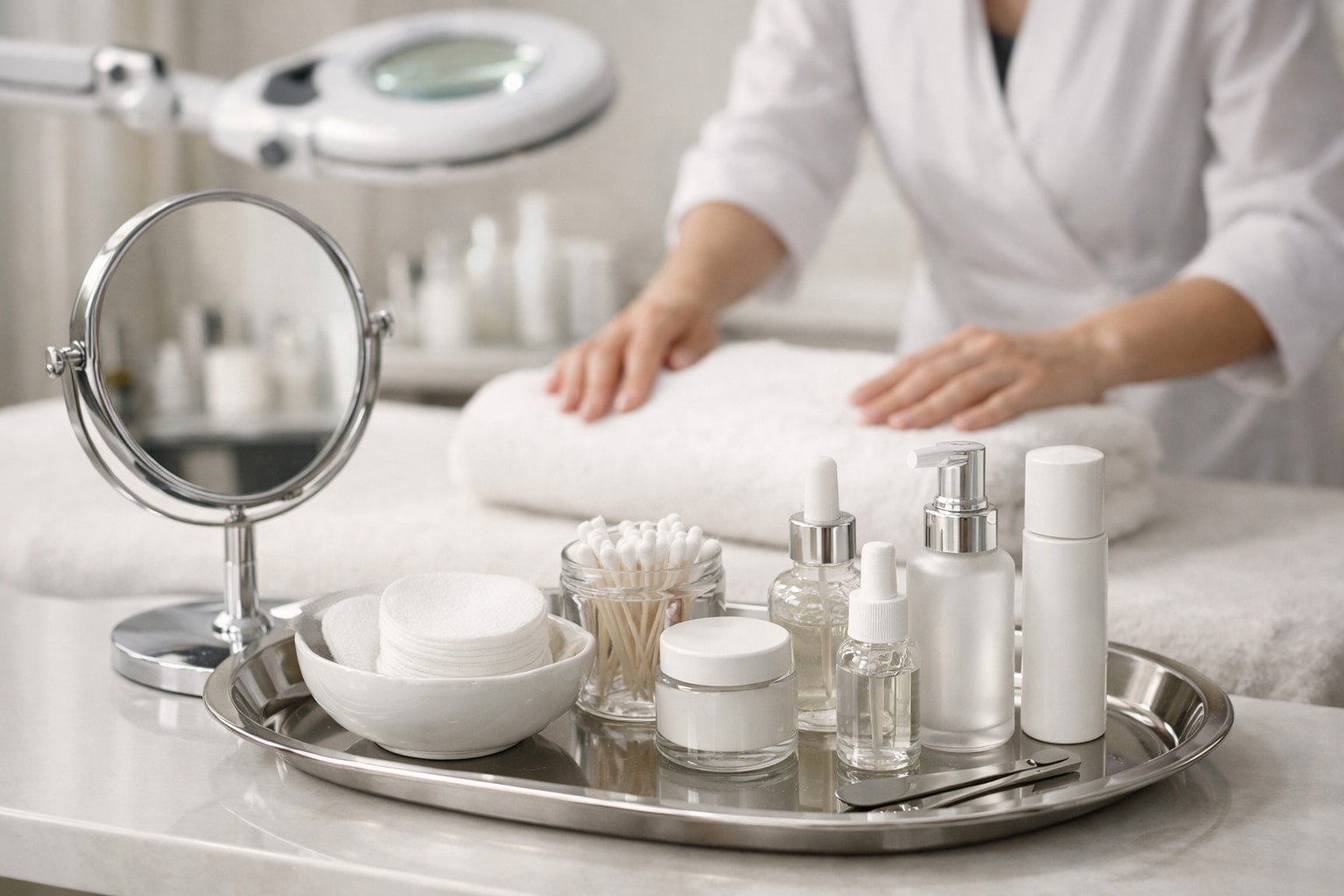
Texture, visible pores, dullness, and uneven glow can come from different causes. Learn how a beauty consultation can separate barrier issues, acne history, pigment, and treatment readiness before choosing a facial, peel, or device.
Answer First: Texture Is Not One Problem
Patients often describe texture, pores, and dullness as if they are one concern, but they can come from several different patterns. Dehydration, barrier irritation, acne congestion, acne-scar texture, sun damage, pigment, and normal oil production can all change how smooth the skin looks in light.
That is why a beauty consultation should begin with diagnosis of the pattern. The right first step for clogged pores may not be the right first step for sensitive, over-exfoliated skin.
Why Pores Can Look More Visible
Pores may look larger when the skin is oily, congested, dehydrated, sun damaged, inflamed, or losing support with age. No treatment permanently erases pores, and any promise that suggests otherwise should make you pause. The better goal is smoother-looking skin quality and smarter maintenance.
A provider should review whether the concern is true pore size, sebaceous congestion, acne history, texture around the pores, or makeup settling into dry skin. Those details change the plan.
When Dullness Is Barrier Fatigue
Dullness is not always solved by stronger exfoliation. Sometimes the skin looks flat because the barrier is irritated from too many actives, frequent scrubs, retinoid overuse, or inconsistent hydration. In that case, a calming facial or routine reset may beat another peel.
If products sting, redness lingers, or the skin feels tight and shiny at the same time, the barrier deserves attention before stronger treatment.
Choosing Between Facial, Peel, Microneedling, or Laser
A medical-grade facial may fit when the skin needs cleansing, hydration, and barrier support. A chemical peel may fit dullness, pigment, and congestion when the skin can tolerate exfoliation. Microneedling may be discussed for texture and collagen support. Laser resurfacing may fit deeper texture, sun damage, or scarring when downtime is acceptable.
The menu is less important than the sequence. Many patients get better results when the skin is prepared before stronger treatments are introduced.
What to Ask Before Treatment
Ask what pattern the provider sees, whether your barrier looks ready, what downtime to expect, which products to pause, and what improvement is realistic. Also ask whether the first visit should be corrective or calming. That question alone can prevent over-treatment.
If texture, pores, and dullness are your main concerns, start with NPMD Skin Concerns or browse NPMD Treatments when you are ready to compare options.